
Form Tap (Roll Tap) Guide: Chipless Tapping & G-Grade
A form tap creates internal threads by plastic deformation without producing chips, ideal for blind holes and high-speed production. Versus cutting taps, form taps offer high strength, breakage resistance, a smooth thread surface and long life; but they need higher torque, a ductile material and a precisely controlled pilot hole. This guide covers the chipless principle, pros and cons, types and surface treatment, and selection; full pilot-hole sizes, engagement and G-grade are in the dedicated pilot-hole guide.
1. What a Form Tap Is
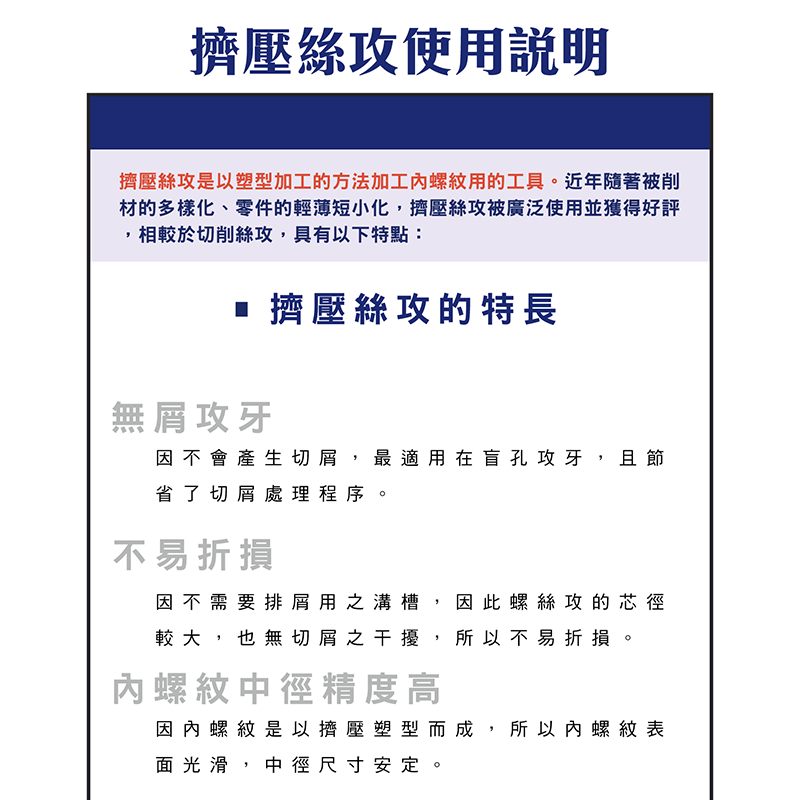
A form tap shapes internal threads by plastic flow. The key difference from cutting taps is "no chips" — the thread form is pressed out, ideal for blind holes. It suits ductile materials such as aluminium alloy, copper, low-carbon steel and stainless. A form tap is also called a roll tap or thread forming tap in North America.
2. Pros and Cons
| Pros | Cons / limits |
|---|---|
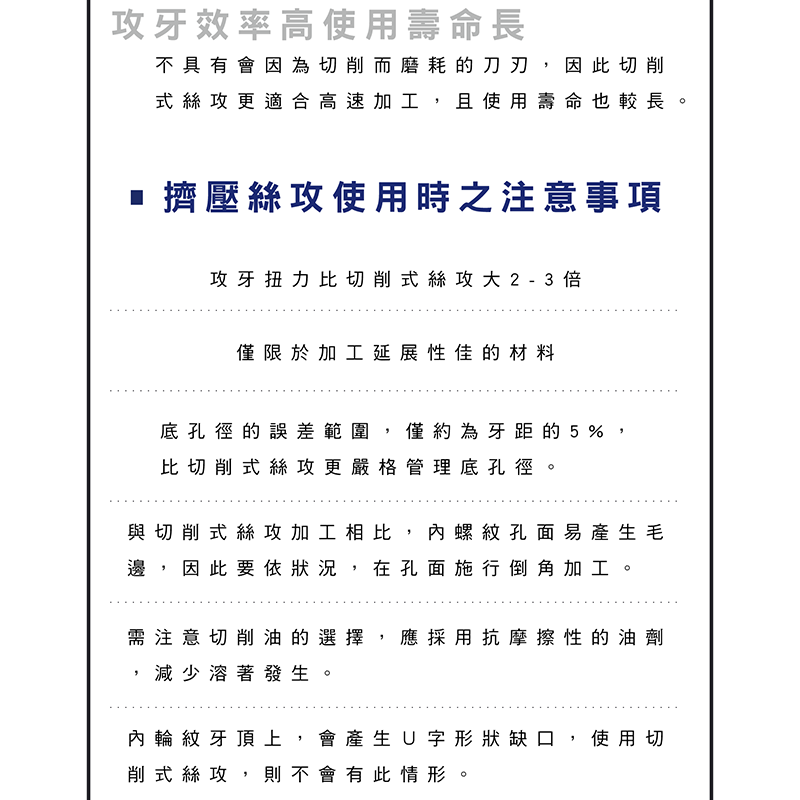
| No chips; no clogging; lower cleanup cost | Higher torque (about 2–3× a cutting tap); needs a rigid machine |
| No flutes, larger core, high rigidity, breakage-resistant | Ductile materials only; not for brittle materials (e.g. cast iron) |
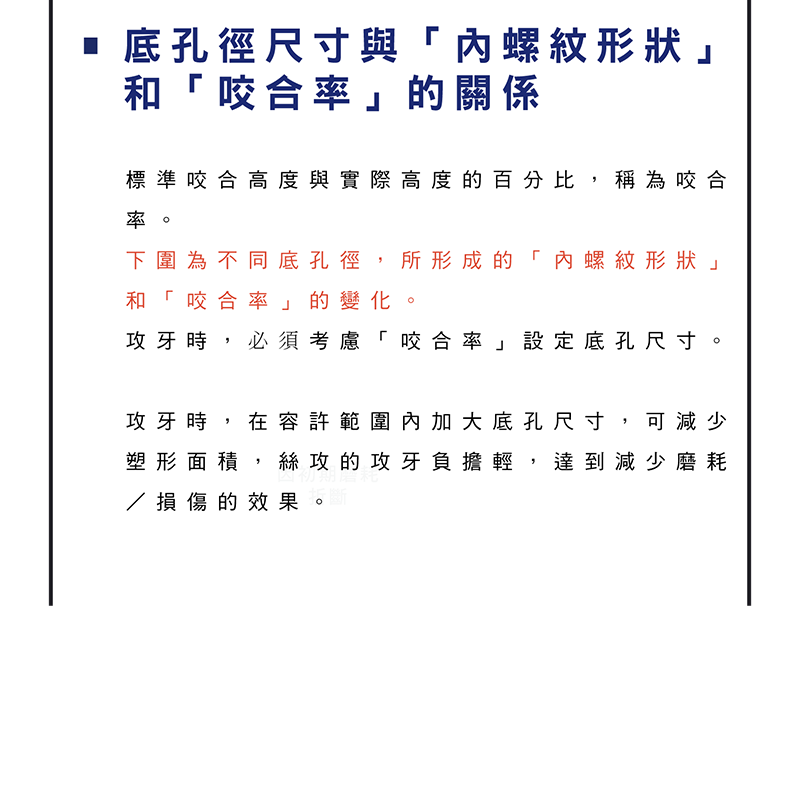
| Continuous grain, high thread strength, smooth surface, stable pitch dia | Strict pilot-hole tolerance (about 5% of pitch) |
| No cutting-edge wear, long life (up to 2–20× after coating) | A U-shaped crest may form (normal plastic behaviour) |
3. Usage Notes
| Item | Point |
|---|---|
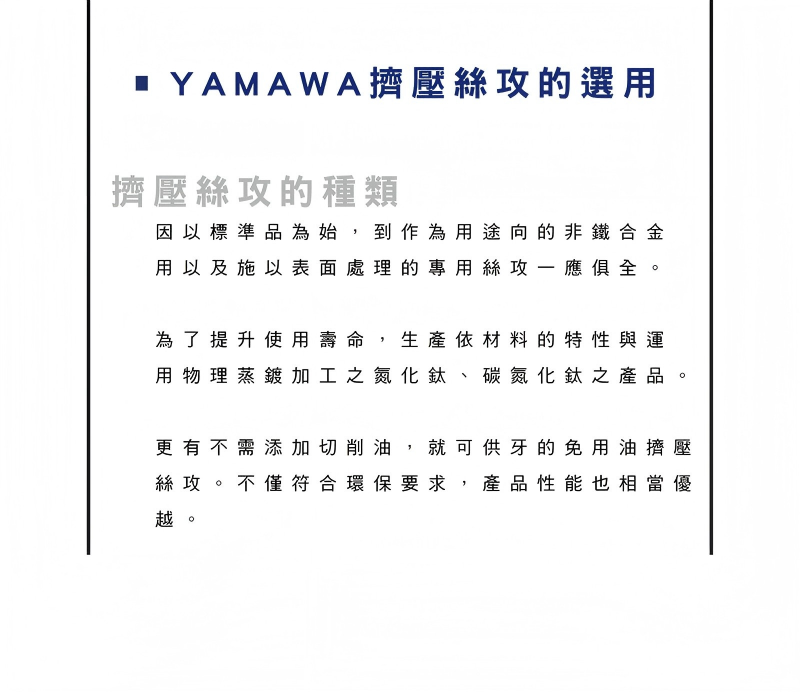
| Torque | About 2–3× a cutting tap; needs stable conditions and a rigid machine |
| Material | Ductile only (aluminium, copper, low-carbon steel, stainless) |
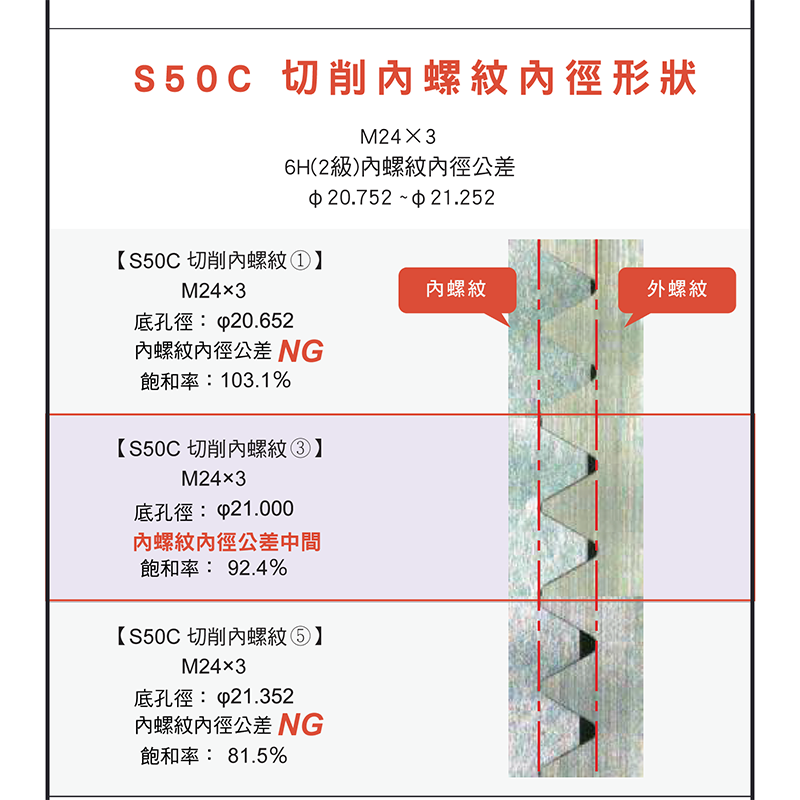
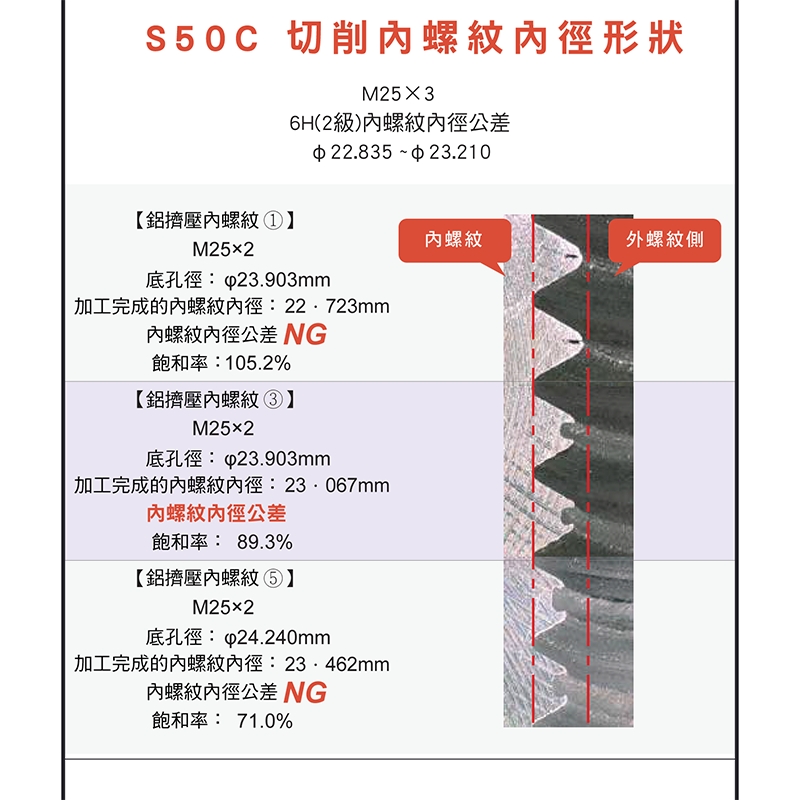
| Pilot hole | Tolerance about 5% of pitch: too small → high torque, too large → weak thread |
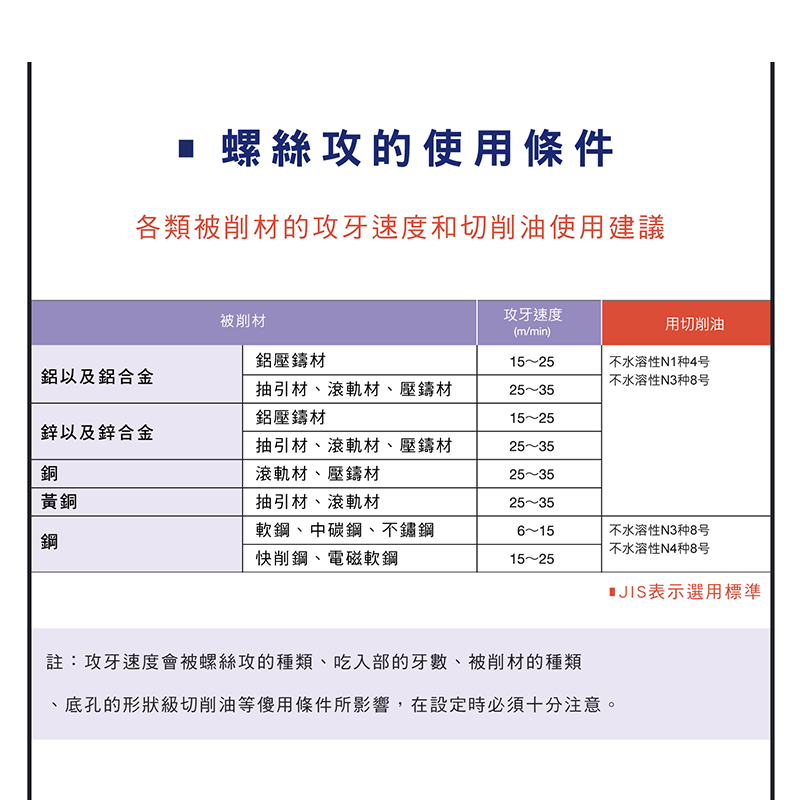
| Lubrication | Use high-lubricity oil to reduce friction and welding |
4. Types and Surface Treatment
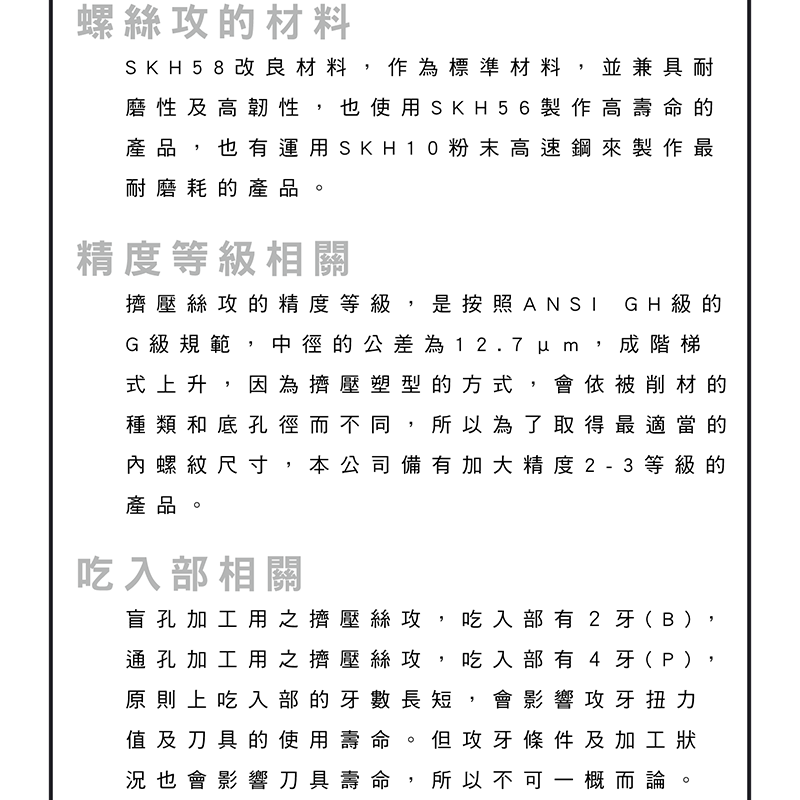
Common types include standard form taps, non-ferrous-specific taps, surface-treated taps (nitride, TiN, TiCN) and oil-free types. Choose by material, cutting speed and whether dry machining is needed; suitable treatment markedly boosts wear resistance and life.
5. Application Advice
Form taps suit blind holes, high-strength threads and high-speed production; not brittle materials (e.g. cast iron) or low-rigidity machines. With 90% engagement, the right hole, high-lubricity oil and a suitable surface-treated model, they balance strength, life and stability.
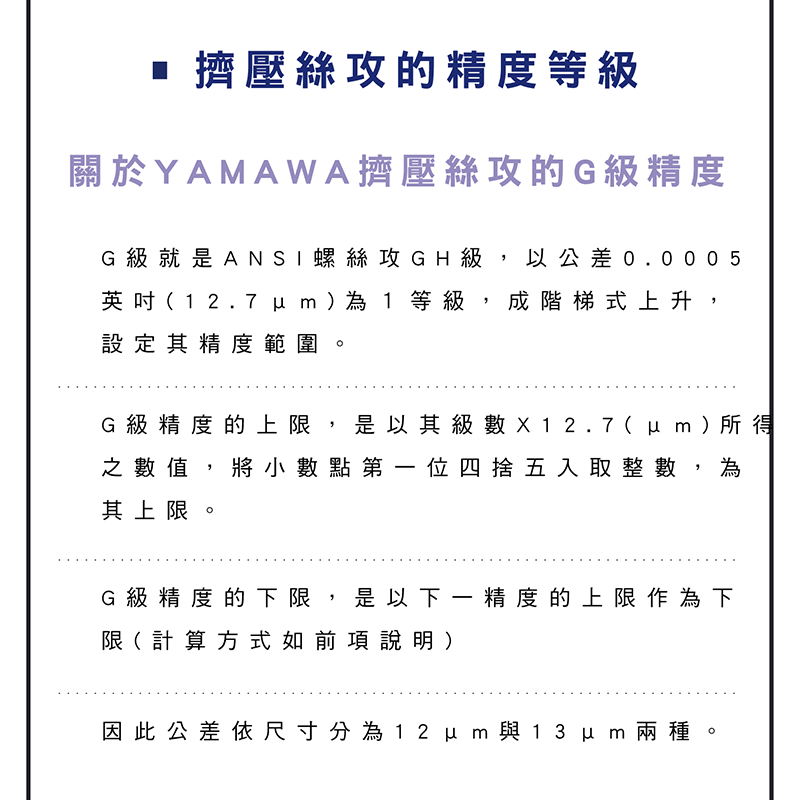
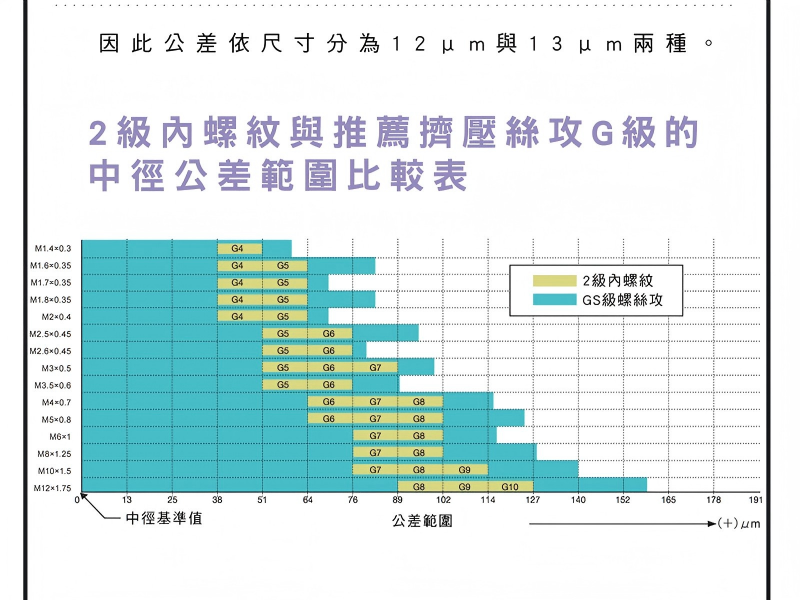
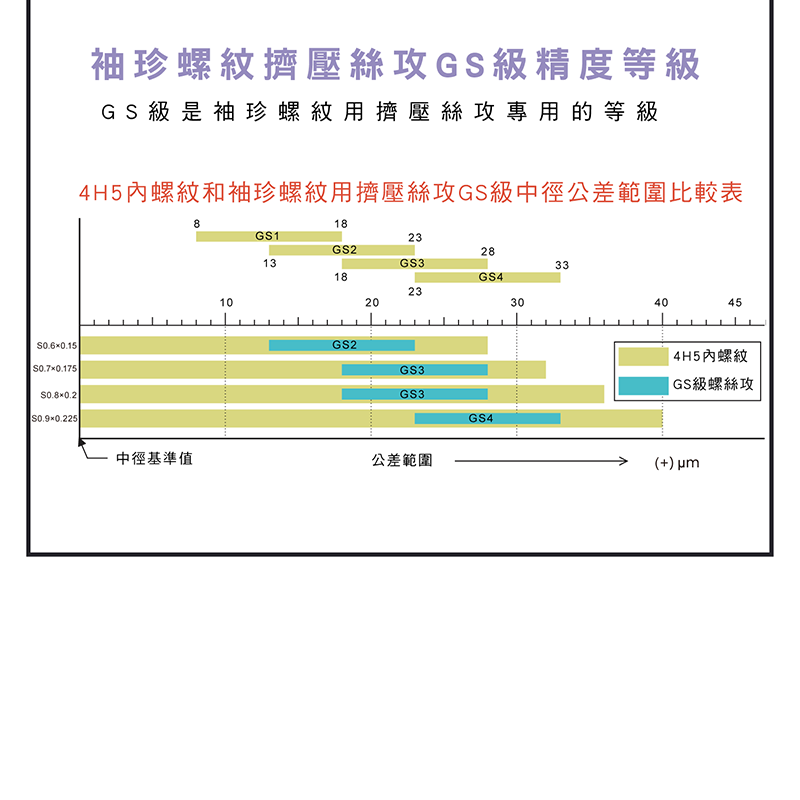
Pilot-hole sizing? Form-tap pilot holes, engagement (100/90/80%) and G-grade are in the Form Tap Drill Size Chart.
For cutting vs forming see Cutting Tap vs Forming Tap; for general pilot holes see the Metric Tap Drill Chart; for precision grades see the Tap Thread Tolerance Guide; for the tool overview see the Thread Tool Chart.
FAQ
Q: Why does a form tap produce no chips?
It presses the thread form by plastic deformation rather than cutting material away, keeping the grain continuous. With no chips, no evacuation space is needed — ideal for blind holes and hard-to-evacuate settings.
Q: Why is the form-tap hole larger than for cutting?
Because forming pushes material into the thread, needing extra material to raise the crest. Too small spikes torque or breaks the tap; too large leaves shallow, weak threads. Keep tolerance near 5% of pitch and base on 90% engagement.
Q: Which materials can't use a form tap?
Brittle materials (e.g. cast iron) don't work because they can't deform plastically and would crack. Form taps suit ductile materials like aluminium, copper, low-carbon steel and stainless.
Q: Is a U-shaped crest a defect?
No. Forming often leaves a U-shaped (split) crest — a normal plastic-deformation feature that doesn't affect thread function or strength, unlike torn cutting threads.
For the full reading guide on this topic, see Thread Machining: A Complete Reading Guide.
Published: 2026-03-23 | Last updated: 2026-10-31









