Cutting Fluid Comparison for Drilling: Water-Soluble vs Neat
In drilling, coolant choice directly affects cooling, chip evacuation and tool life. Water-soluble coolant cools well and suits high speed and shallow holes; neat (oil-based) coolant lubricates and penetrates well, suiting deep holes and high loads. As speed and depth rise, penetration and supply strongly affect stability. This guide compares the two types and the selection rules so you can match coolant to depth, diameter and material.
1. The Role of Coolant
Coolant mainly cools the cutting zone, lowers friction and cutting resistance, improves evacuation and extends tool life — a key part of drilling stability.
This guide covers the drilling case only; for the full picture across water-miscible, neat oil, minimum quantity lubrication and dry cutting, see how to choose a cutting fluid.
2. Water-Soluble vs Neat Coolant
| Type | Traits | Best for |
|---|---|---|
| Water-soluble | Strong cooling, high penetration | Shallow holes, high-speed drilling, aluminum/non-ferrous |
| Neat (oil-based) | Strong lubrication, wear resistance, stable penetration | Deep holes, high load, high-lubrication work |

3. Penetration and Machining Conditions
| Condition | Effect |
|---|---|
| Deeper hole | Penetration matters more |
| Higher speed | More coolant supply needed |
| Poor evacuation | Penetration drops, clogging |

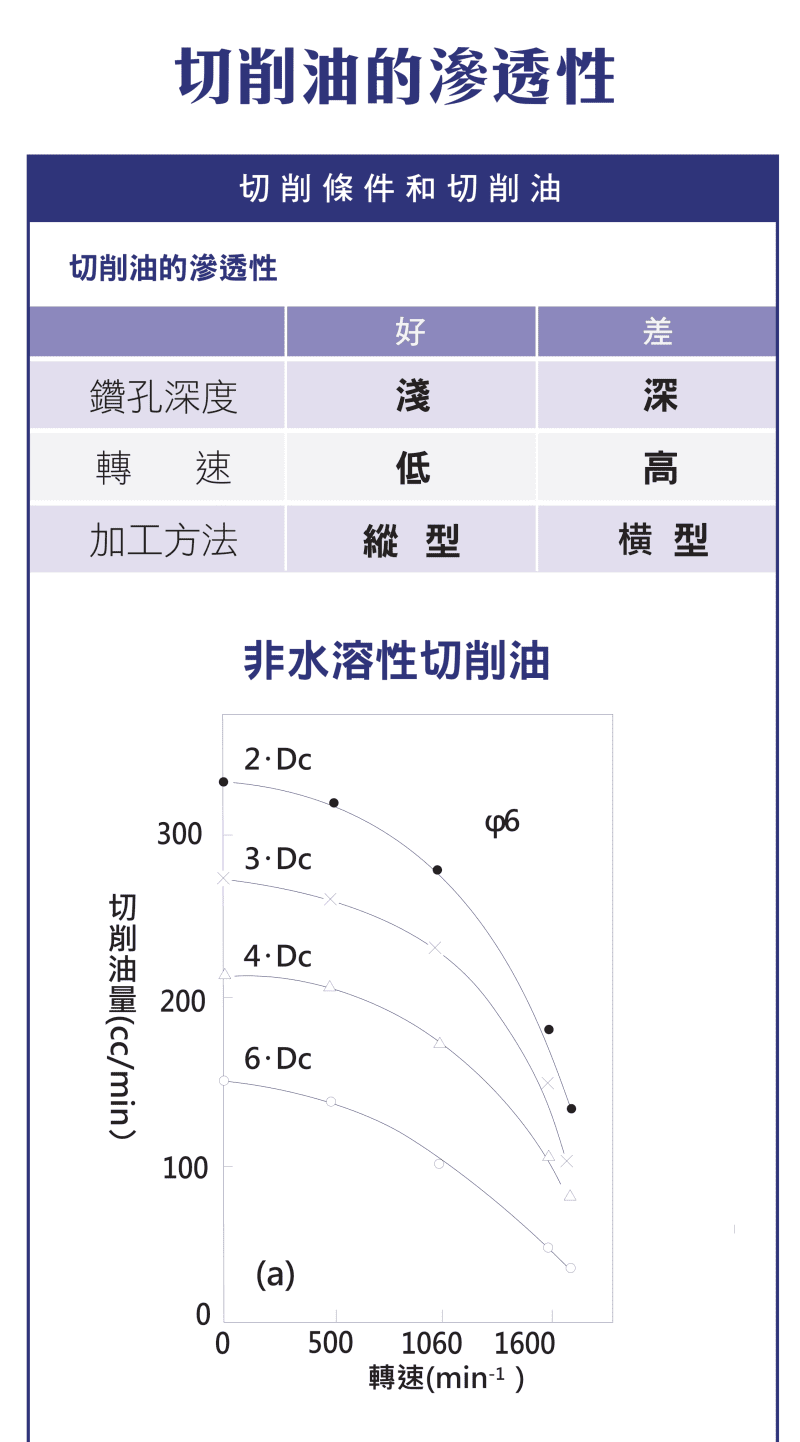
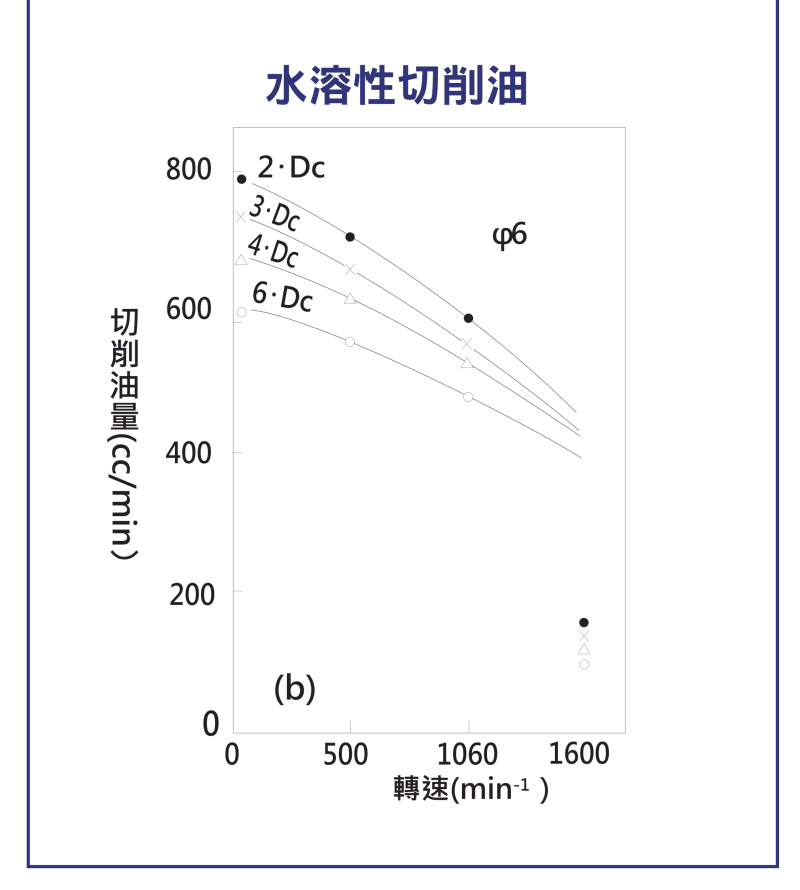
4. Flow vs Speed and Depth
Higher speed needs more coolant; deep holes (e.g. 6×Dc) need higher supply, and water-soluble coolant usually needs more flow than neat oil. Depth and supply design directly affect evacuation and stability.
5. Selection Factors
| Factor | Note |
|---|---|
| Drill diameter | Small diameters need high penetration |
| Hole depth | About 2×Dc–6×Dc; deeper needs more penetration/supply |
| Method | Vertical/horizontal affects evacuation |
| Material | Gumminess and conductivity change cooling/lube needs |
6. Practical Selection
| Scenario | Recommendation |
|---|---|
| High speed + shallow | Water-soluble coolant |
| Deep + high load | Neat coolant |
| Small diameter | High-penetration oil |
| Deep / production | Use internal (through-tool) supply for stability |
Coolant and conditions go together; for parameters, see the Drilling Parameters Guide.
7. Common Problems and Risks
| Problem | Consequence |
|---|---|
| Insufficient cooling | Tool burning |
| Insufficient lubrication | Rising cutting resistance |
| Poor evacuation | Lower hole quality, clogging |
FAQ
Q: Water-soluble or neat coolant for drilling?
High-speed, shallow holes and aluminum/non-ferrous usually use water-soluble (strong cooling); deep holes, high load and high-lubrication work use neat oil. Decide by depth, diameter and material.
Q: What matters for deep-hole coolant?
Deep holes need penetration and supply; deeper and faster needs more flow. Use internal (through-tool) supply to deliver coolant to the tip and flush chips.
Q: What if the coolant is wrong?
Insufficient cooling burns the tool, insufficient lubrication raises resistance, and poor evacuation lowers hole quality and clogs. Wrong choice or low supply shortens tool life.
Q: Which coolant for small-diameter drills?
Small drills have little flute space and clog easily, so choose a high-penetration coolant that reaches the cutting zone and aids evacuation, reducing breakage risk.
This article is part of Drill Bits: The Complete Guide - Start From Depth-to-Diameter, Then Pick the Drill and Set the Conditions; that guide shows how the whole topic fits together.