Thread Engagement Guide: S/N/L Classes & 6H/7H
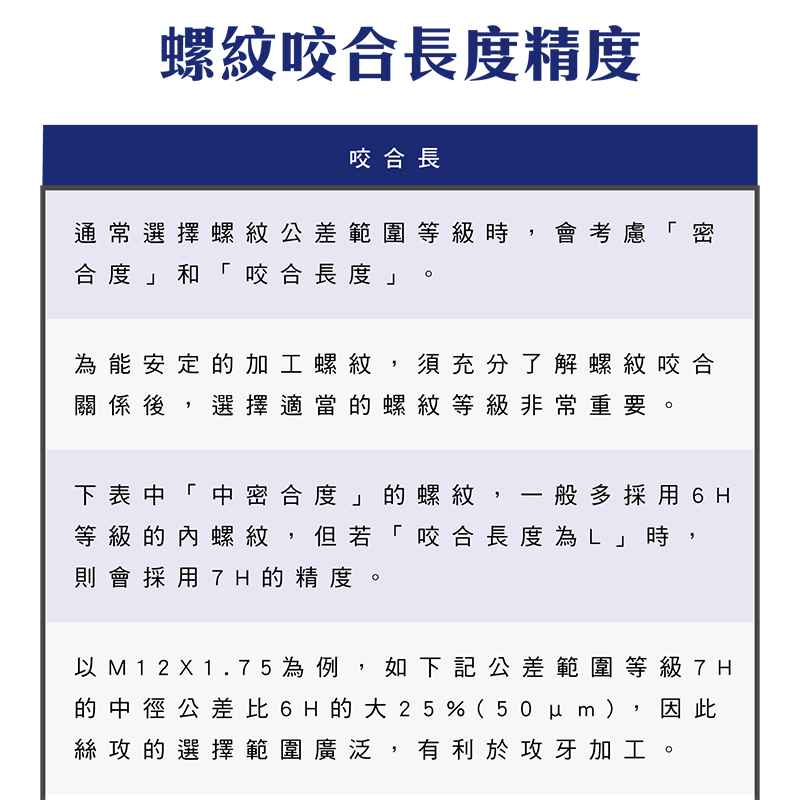
Thread engagement length and precision grade directly affect joint strength and machining stability. Design must consider both the fit class and the engagement length, choosing a suitable tolerance grade (6H, 7H) by application. A longer engagement lowers load concentration and raises strength but needs a wider tolerance to avoid difficult tapping. Matching engagement and tolerance well improves assembly quality and efficiency.
1. Definition of Engagement Length
Engagement length is the effective length over which internal and external threads actually contact, setting load capacity and tensile strength. Key parameters are the major diameter d and pitch P.
2. Why It Matters
Engagement length affects thread strength, load distribution and resistance to loosening. Principle: longer means stronger, but too long increases machining difficulty. Balance strength and machinability.
3. Fit Class
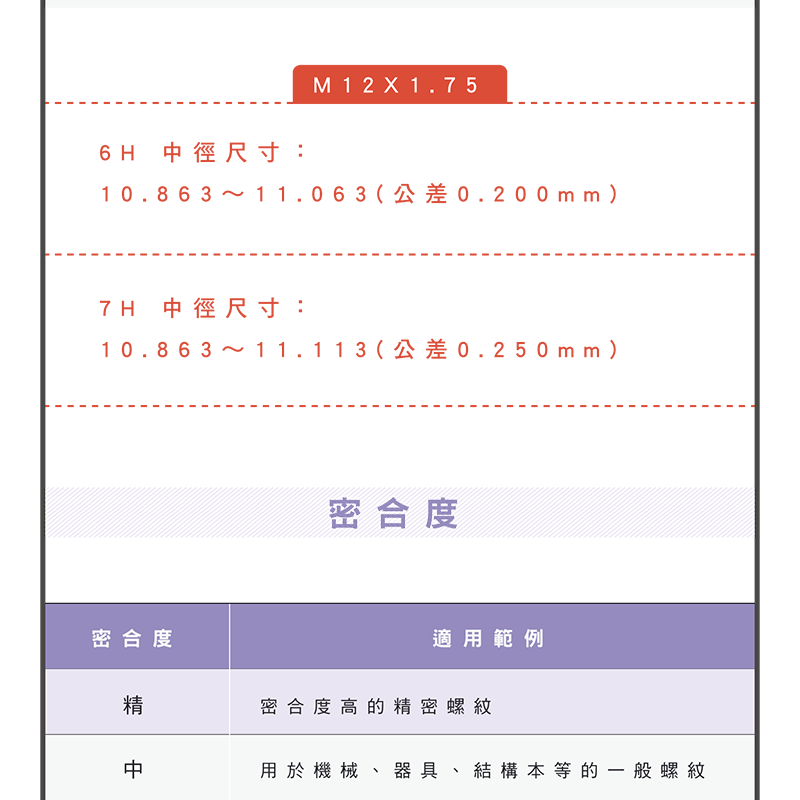
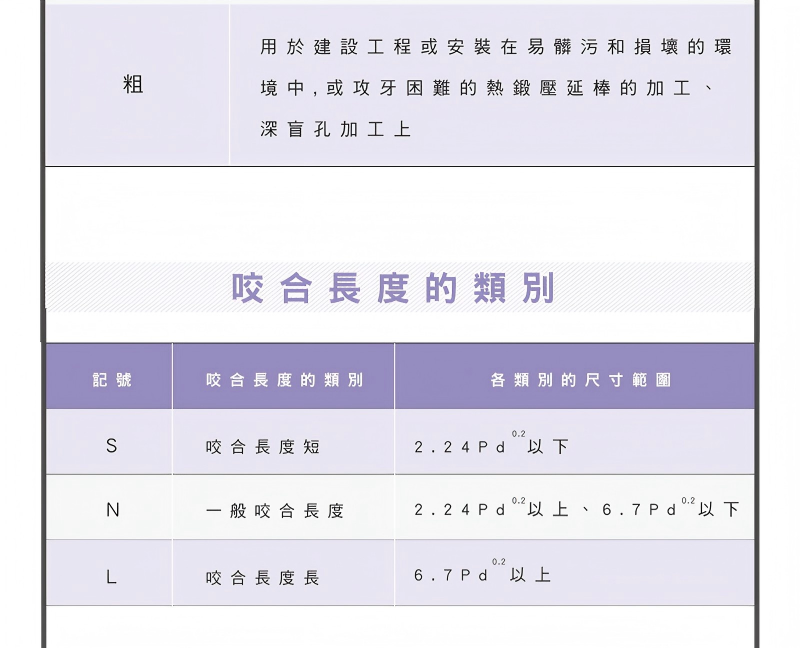
| Fit | Traits and use |
|---|---|
| Fine | High fit accuracy; precision mechanisms |
| Medium | General machinery; most common |
| Coarse | Dirty environments, deep holes or hard materials |
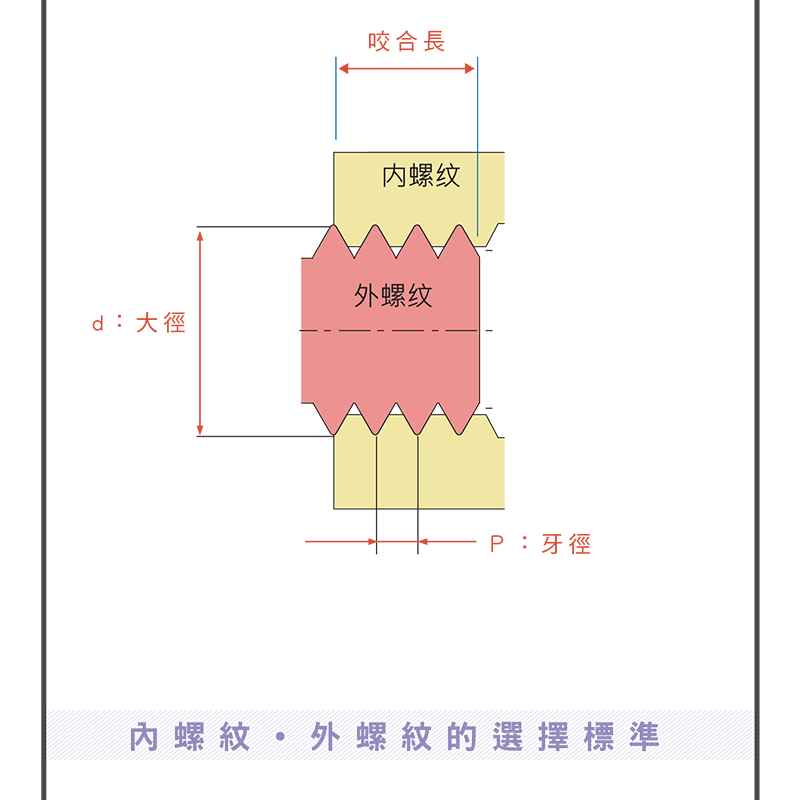
4. Engagement Classes (S / N / L)
| Class | Range (relative) | Design point |
|---|---|---|
| S (short) | about ≤ 2.24 × base | High precision but lower strength |
| N (normal) | about 2.24 – 6.7 × base | Most common; strength/machining balance |
| L (long) | about ≥ 6.7 × base | High strength but needs wider tolerance |
※ S/N/L ranges are derived from pitch and major dia per ISO; exact limits per the standard tables and original images.
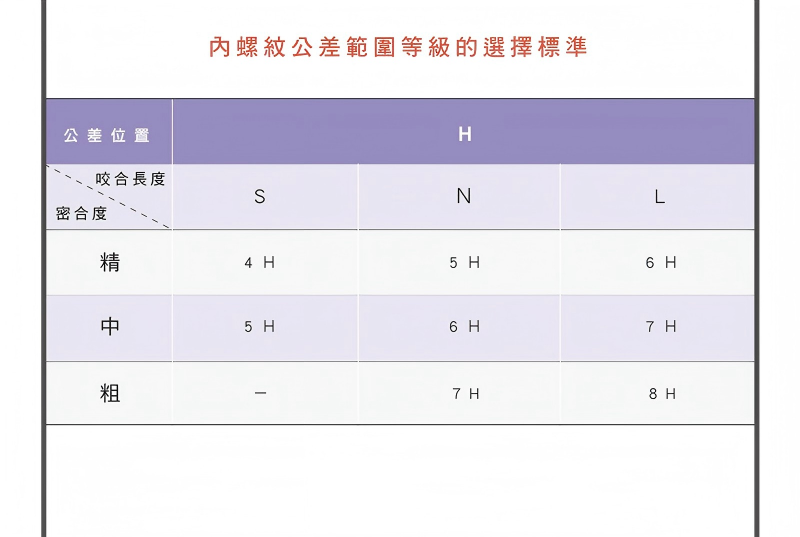
5. Tolerance Selection (6H / 7H)
| Engagement | Suggested tolerance | Reason |
|---|---|---|
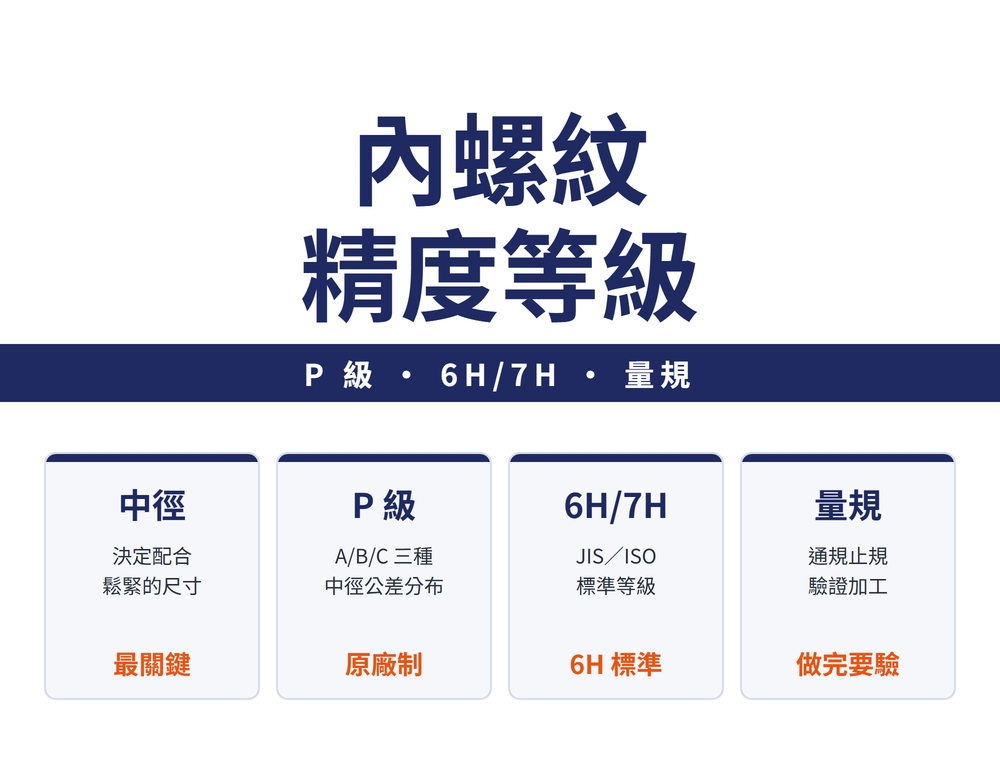
| Short (S) | Tighter (5H / 6H) | Fewer threads — tighter fit secures strength |
| Normal (N) | 6H (standard) | General; strength/machining balance |
| Long (L) | Wider (7H) | Many threads — wider tolerance avoids seizing |
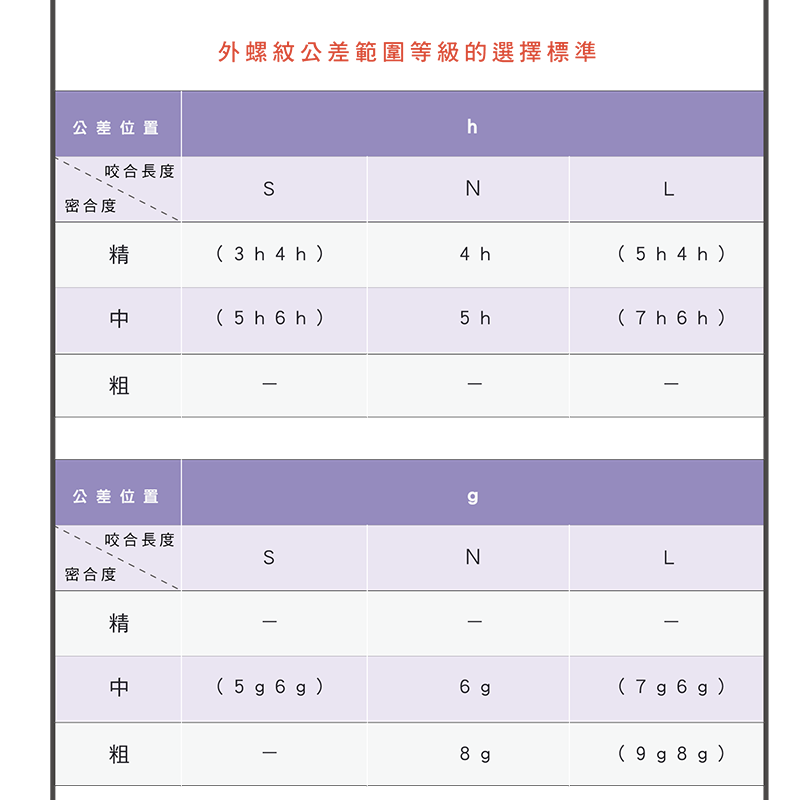
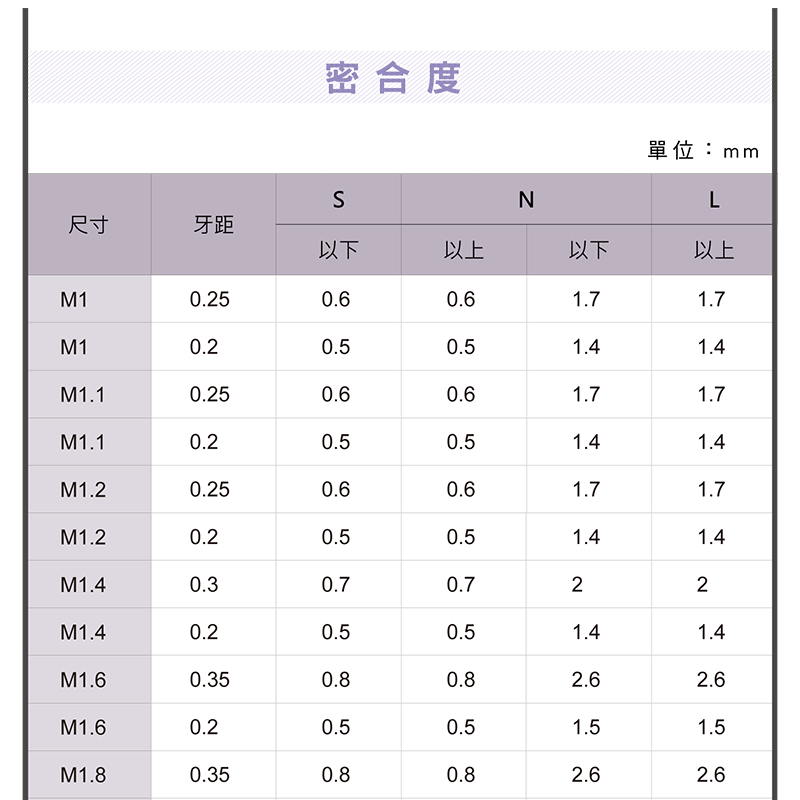
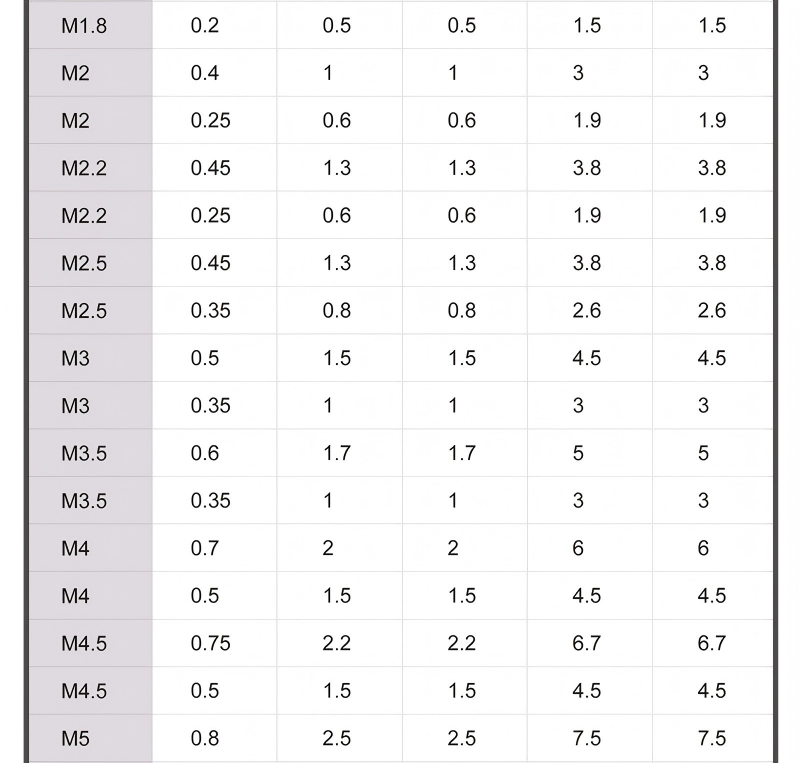
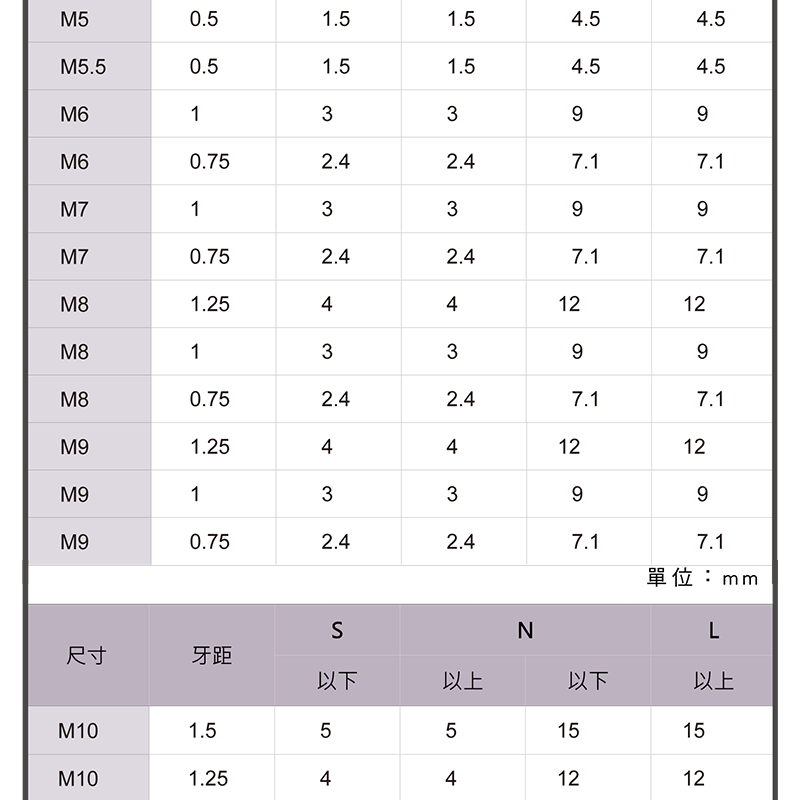
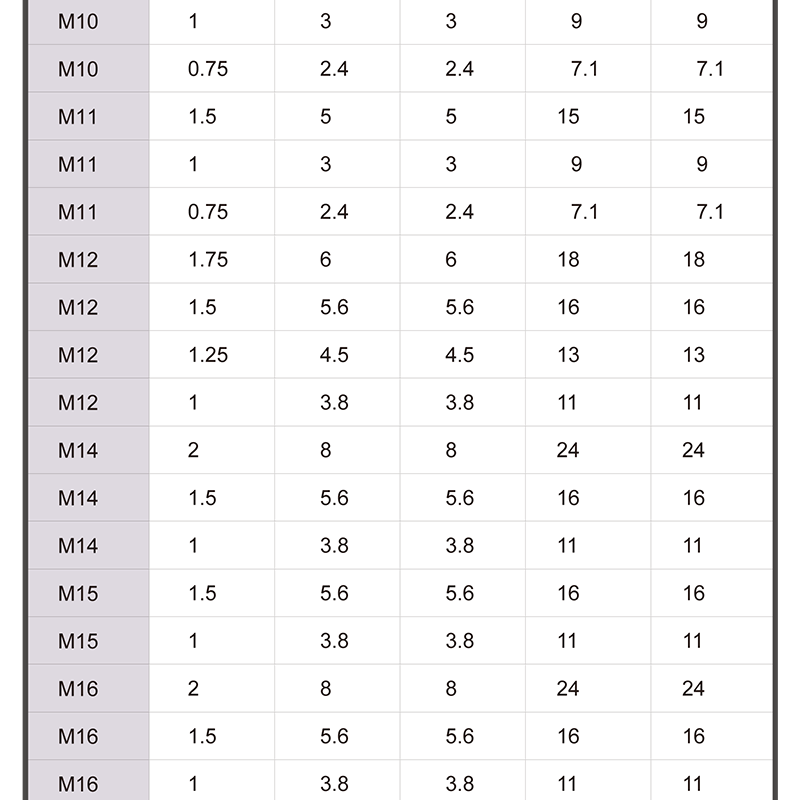
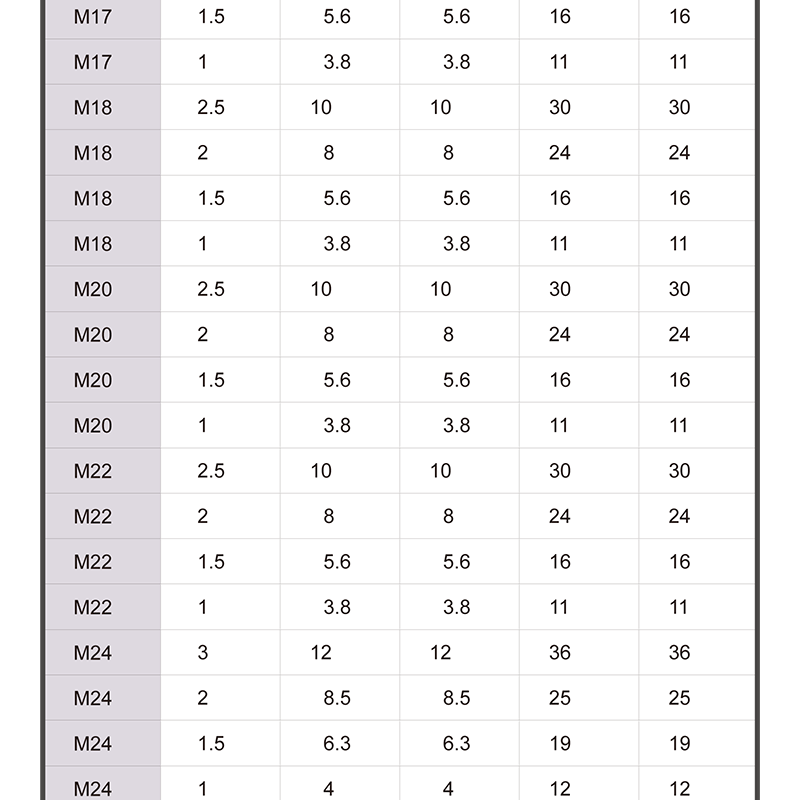
※ Full engagement and tolerance design charts above; exact limits per the original tables.
6. Design Points
Baseline design is "normal engagement (N) + 6H"; for high strength, increase engagement and widen tolerance; precision mechanisms use short engagement with tighter tolerance. Soft or hard materials can add engagement to spread load, while watching tapping torque and evacuation.
For grades see the Tap Thread Tolerance Guide; for metric tolerance see the Metric Thread Tolerance Chart; for pilot holes see the Metric Tap Drill Chart.
FAQ
Q: Is longer engagement always better?
Not necessarily. Long engagement is strong with good load spread, but too long raises tapping difficulty, torque and breakage risk, with diminishing strength gains. Normal (N) usually suffices; only high loads warrant more length with wider tolerance.
Q: How are S / N / L judged?
By ISO-derived engagement ranges from pitch and major dia: short (S), normal (N), long (L). Most standard parts fall in N; unusually short or long need tighter or wider tolerance grades respectively.
Q: Why does long engagement need a wider tolerance?
With many engaged threads, too tight a tolerance lets accumulated pitch-dia and lead errors raise tapping resistance or seize. A wider tolerance (7H) keeps margin so long engagement still taps smoothly.
Q: Add engagement for aluminium or soft materials?
Usually yes. Soft materials carry less per thread, so more engagement spreads load and avoids stripping; if needed, use an STI insert to reinforce. Still balance tapping torque and evacuation.
For the full reading guide on this topic, see Thread Machining: A Complete Reading Guide.