
Cart
Member
Category
All Articles
Technical Reading Guides
Industry News
General Technical Information
Workpiece Material Technical Information
Cutting Tool Material & Coating Technology
Milling Cutter Technical Information
Drill Bit Technical Information
Boring Technical Information
Tapping Technology
Tool Holder Technical Information
Workholding & Fixture Technical Information
Indexable Milling Guide
Turning Technical Guide
Abrasives & Grinding Tools Technical Information
Precision Measurement Guide
CNC Machining Fundamentals
Machine Tool Technical Information
Manufacturing Process Technical Information
Site Tutorials
Technical Information
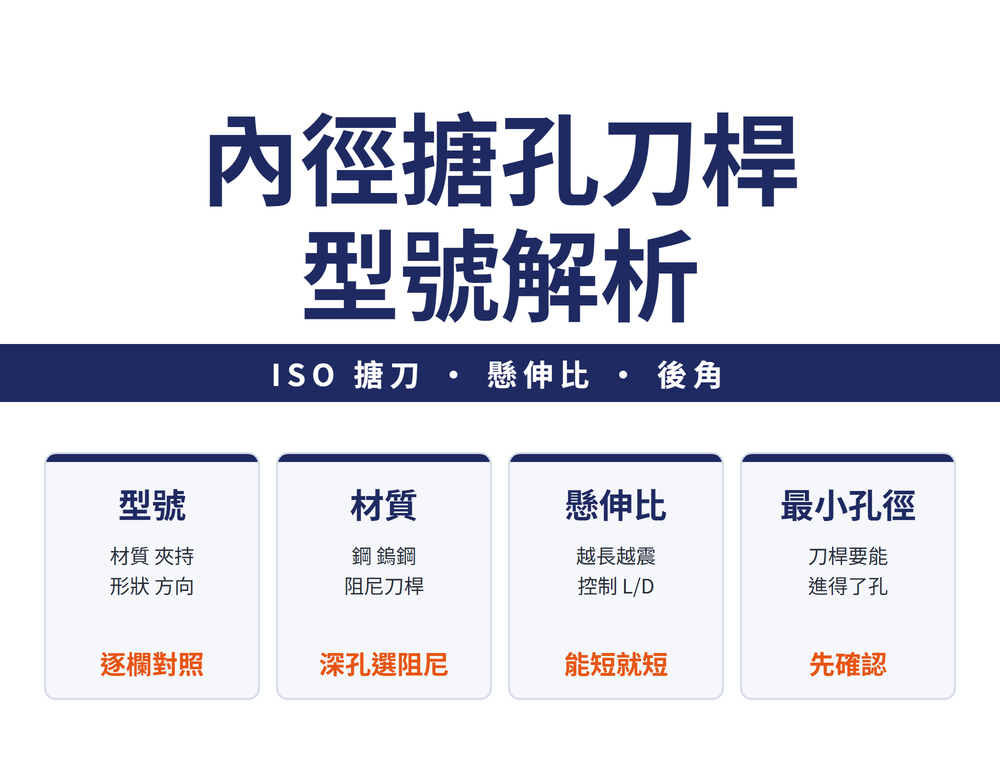
Boring Bar Guide: ISO Codes, Material & Selection
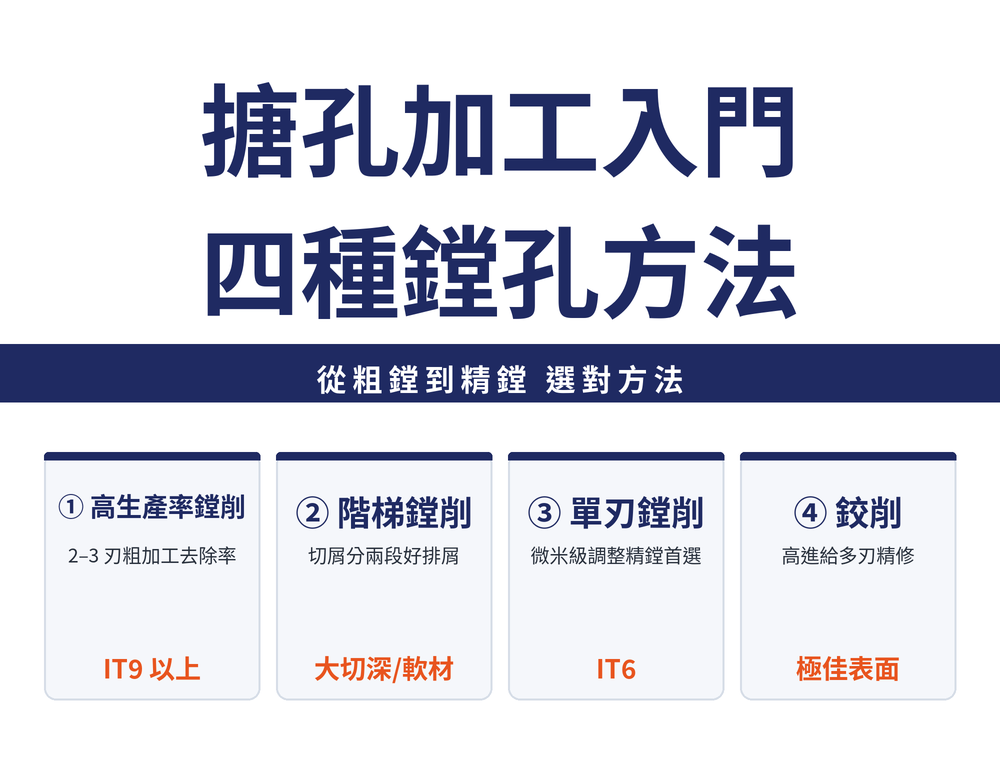
Boring Basics: Four Boring Methods and the Rigidity-First Rule

Fine Boring and Tool Overhang: Single-Edge Tools and Five Principles

Boring Troubleshooting: Vibration, Chips, Feed Marks and Power

Boring Chip Control and Coolant: Internal Coolant, Chip Shape and Speed Limits

Boring Bar and Head Selection: Rigidity, Micro-Adjust and Coolant Delivery

Rough Boring Tool Selection: Edges, Rake and Entering Angle
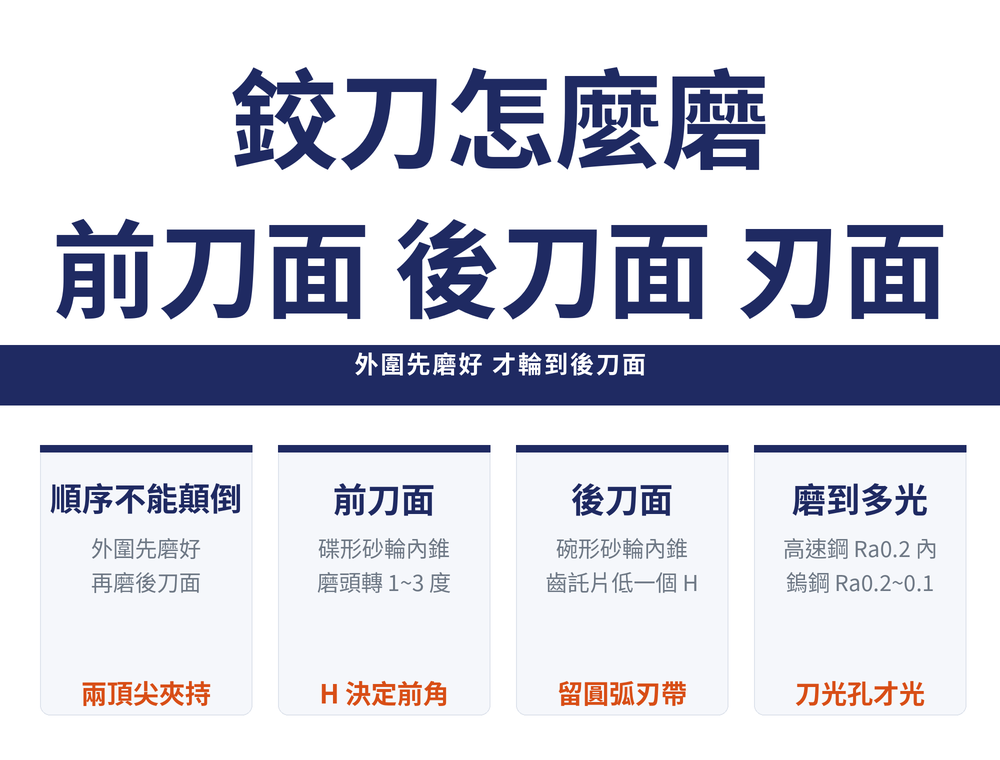
Regrinding a Reamer: Rake Face, Flank and How Fine the Ground Surface Must Be
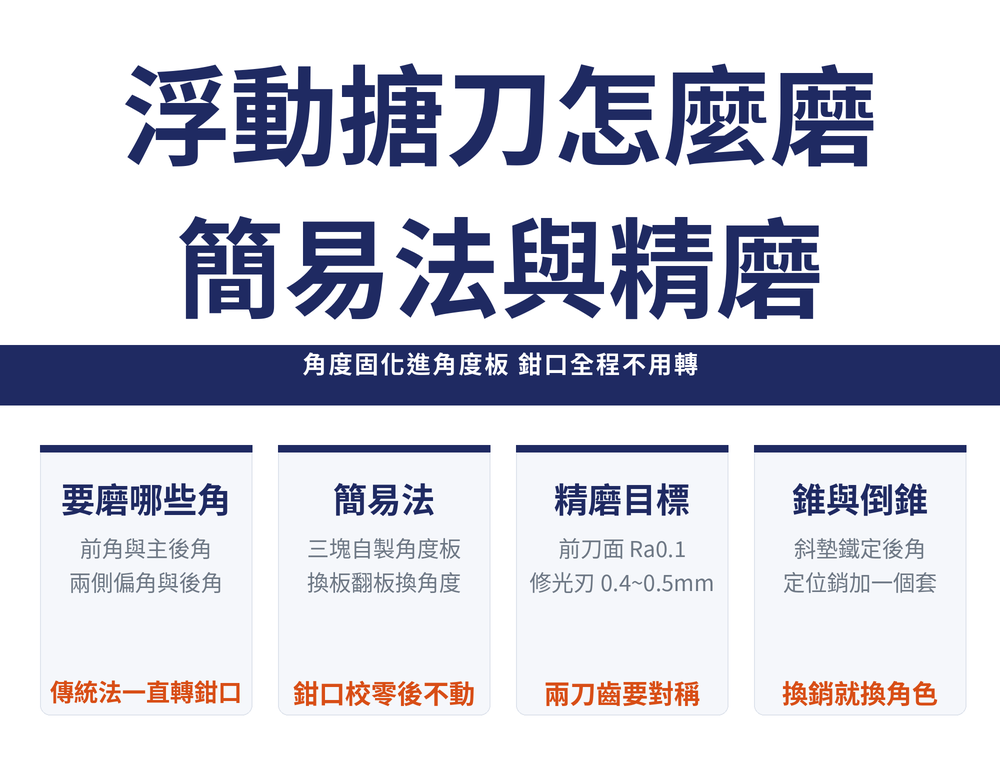
Regrinding a Floating Boring Tool: Three Angle Blocks and the Precision Route
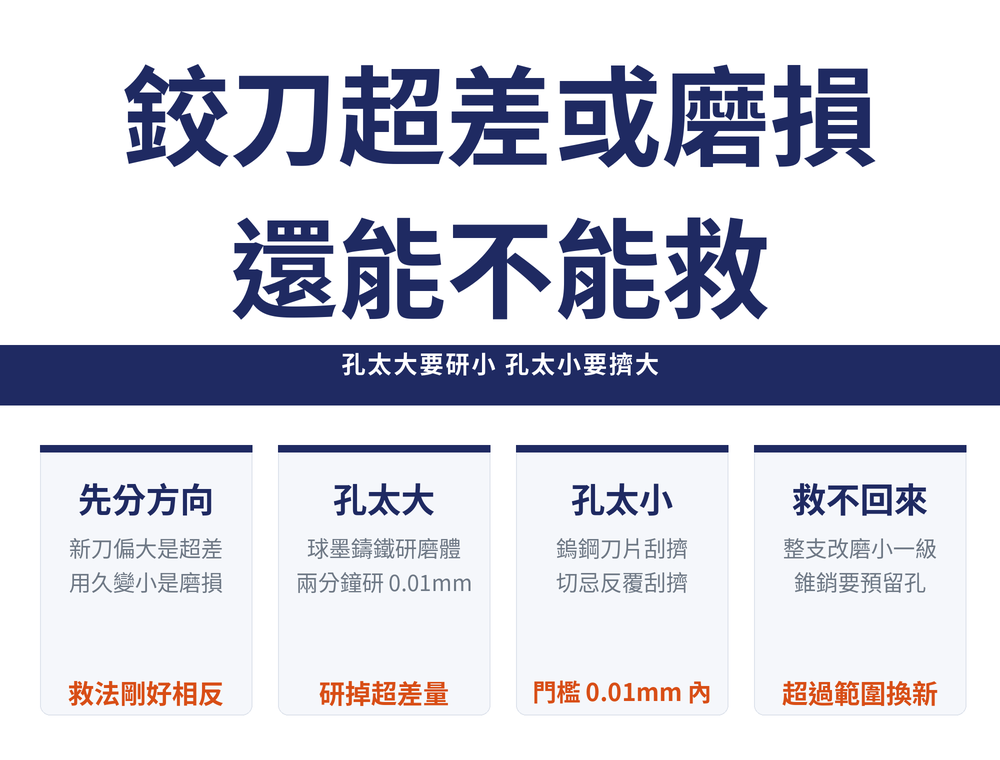
Oversize or Worn Reamers: Lapping, Peening and Scrape-Expansion Repair
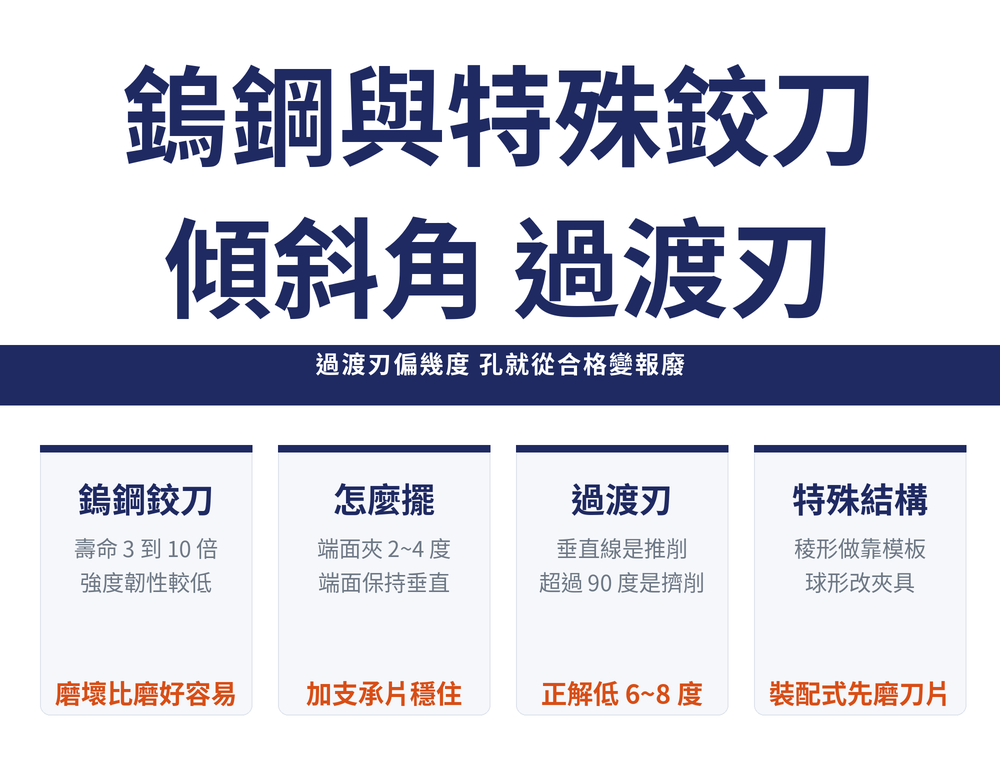
Regrinding Carbide and Special Reamers: Tilt Angle, Transition Edge Position and Three Structures

Ultrasonic Vibration Dry Boring: Pulse Cutting and the Critical Speed
1