Form Tap (Roll Tap) Drill Size Chart: Metric/Unified & G-Grade
Form tapping is a chipless forming process, so the pilot-hole size directly affects thread strength, torque and tool life and is stricter than for cutting taps. This guide gives metric and Unified (UNC/UNF) form-tap pilot-hole examples, 100%/90%/80% engagement selection and G-grade precision, plus STI insert pilot-hole notes — to pick the right drill size, cut breakage and improve stability.
1. Why the Pilot Hole Matters
Forming pushes material into the thread by plastic flow rather than cutting it away, so the pilot-hole size sets how much material is raised — directly affecting thread strength, tapping torque and tool life. Its tolerance is stricter than a cutting tap (about 5% of pitch), and a form-tap hole is usually slightly larger than a cutting-tap hole. A form tap is also called a roll tap or thread forming tap in North America.
2. Common Metric Form-Tap Holes (at 90% Engagement)
| Size | Form-tap hole (approx.) | Ref: cutting hole |
|---|---|---|
| M3×0.5 | about 2.77 mm | about 2.5 mm |
| M5×0.8 | about 4.6 mm | about 4.2 mm |
| M10×1.5 | about 9.3 mm | about 8.5 mm |
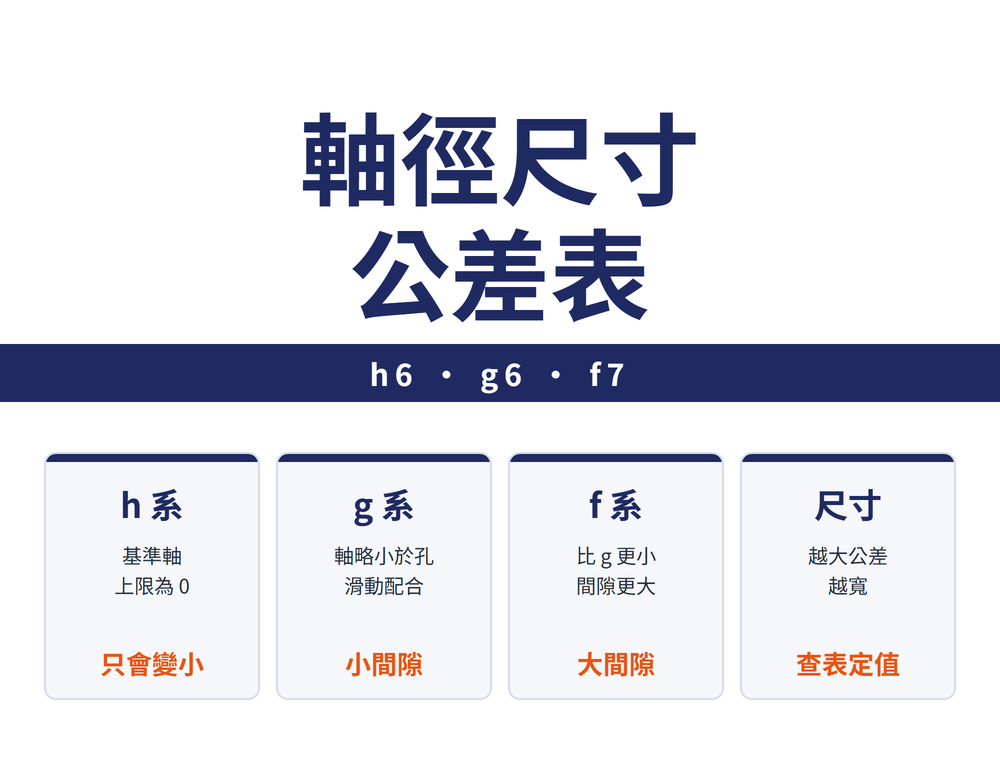
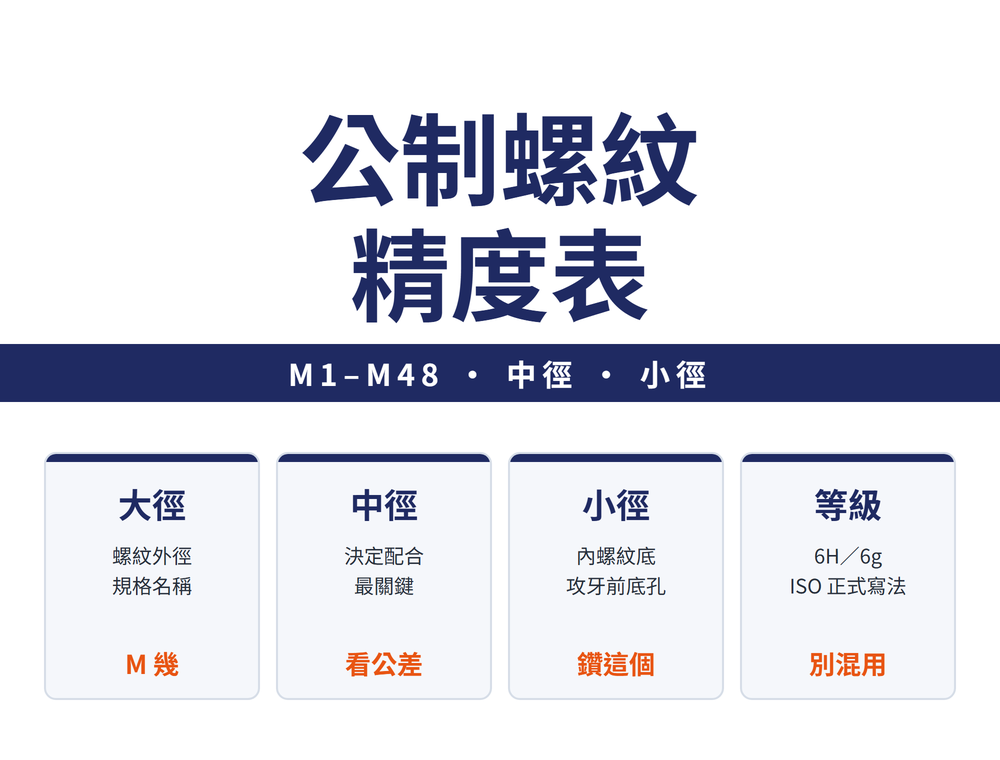
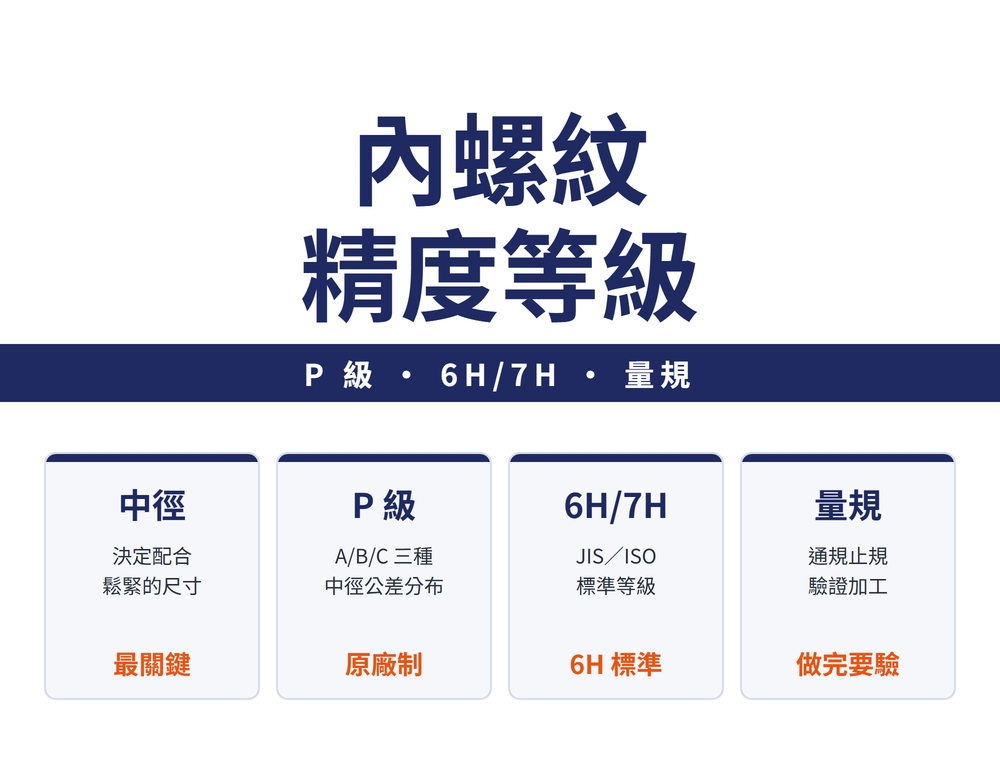
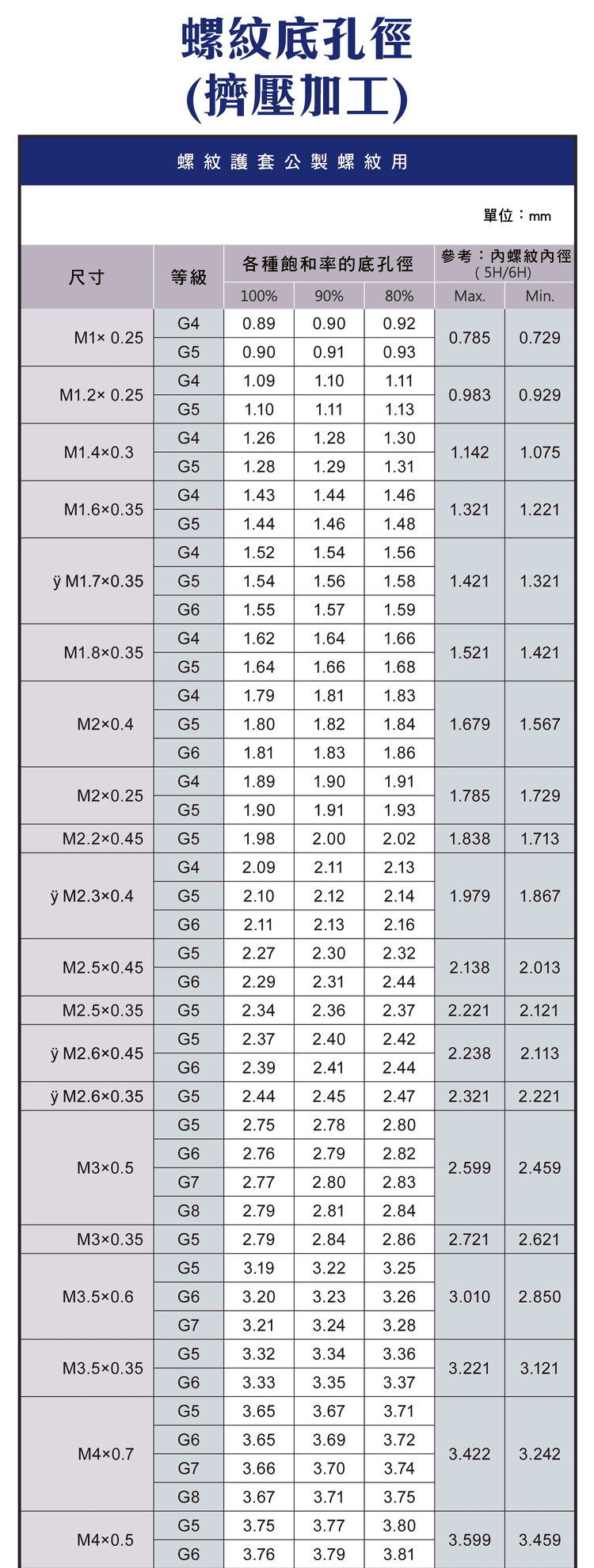
※ Applies about M1–M20; full per-size, engagement and G-grade values per the original tables below.
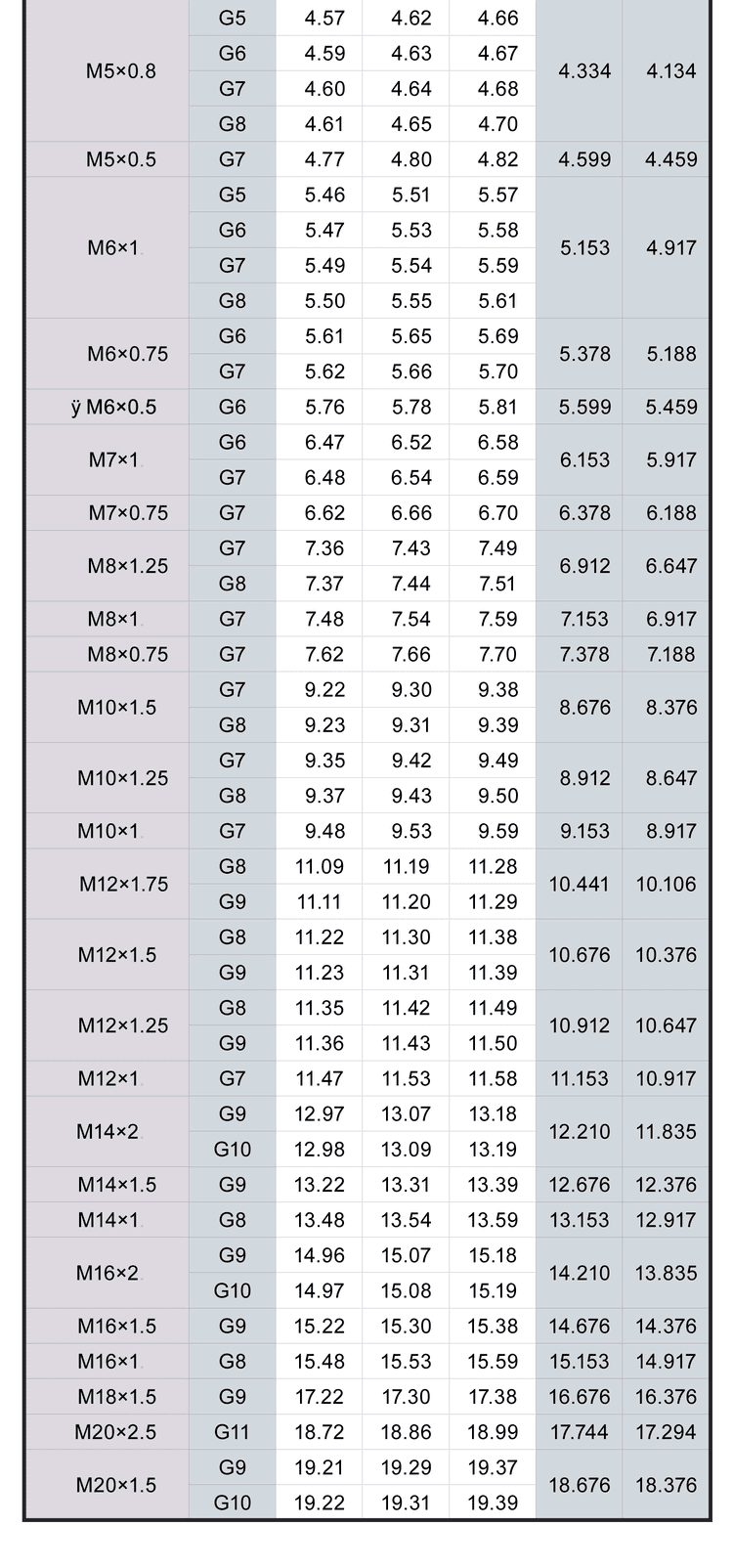
3. Engagement Selection (100 / 90 / 80%)
| Engagement | Trait |
|---|---|
| 100% | Highest strength, highest torque; not advised for production |
| 90% (recommended) | Strength/life balance; most common |
| 80% | Low torque; high-efficiency work |
A smaller hole means higher engagement and strength but high torque and breakage risk; a larger hole means lower engagement and torque but weaker threads. Production usually bases on 90%.
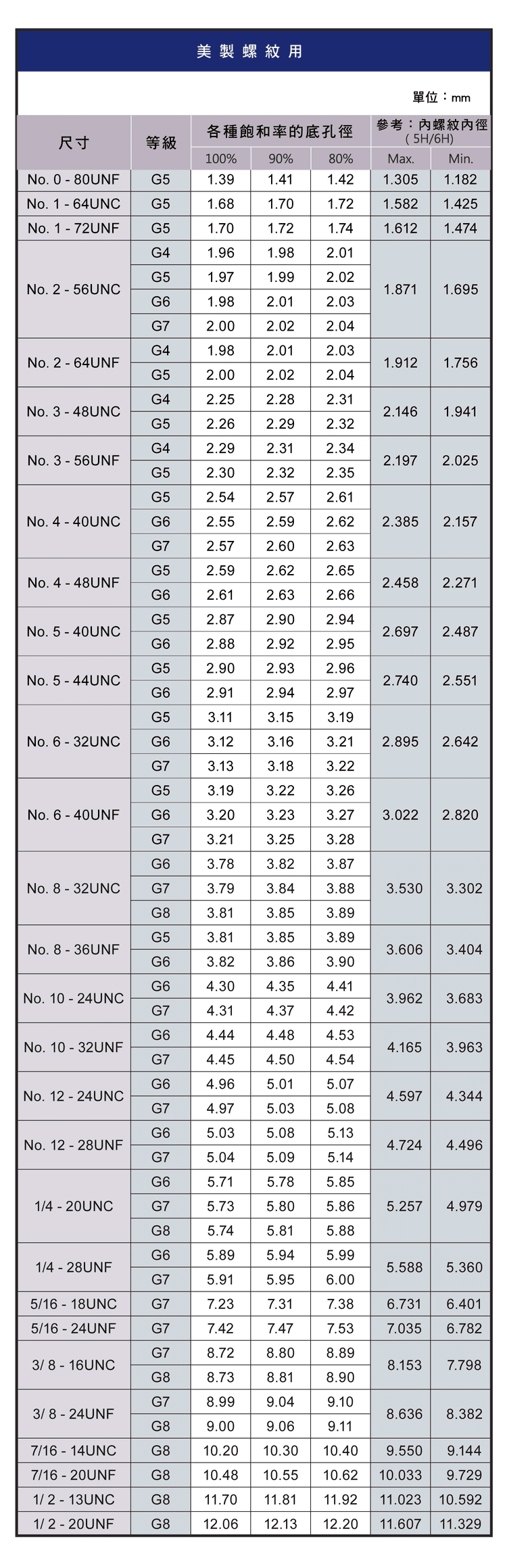
4. G-Grade Precision
| G-grade | Use |
|---|---|
| G3–G5 | General work |
| G6–G8 | Precision work |
| G9+ | High-precision needs |
G-grade denotes thread precision/fit, commonly ranging about G3–G11; choose by the part's required accuracy.
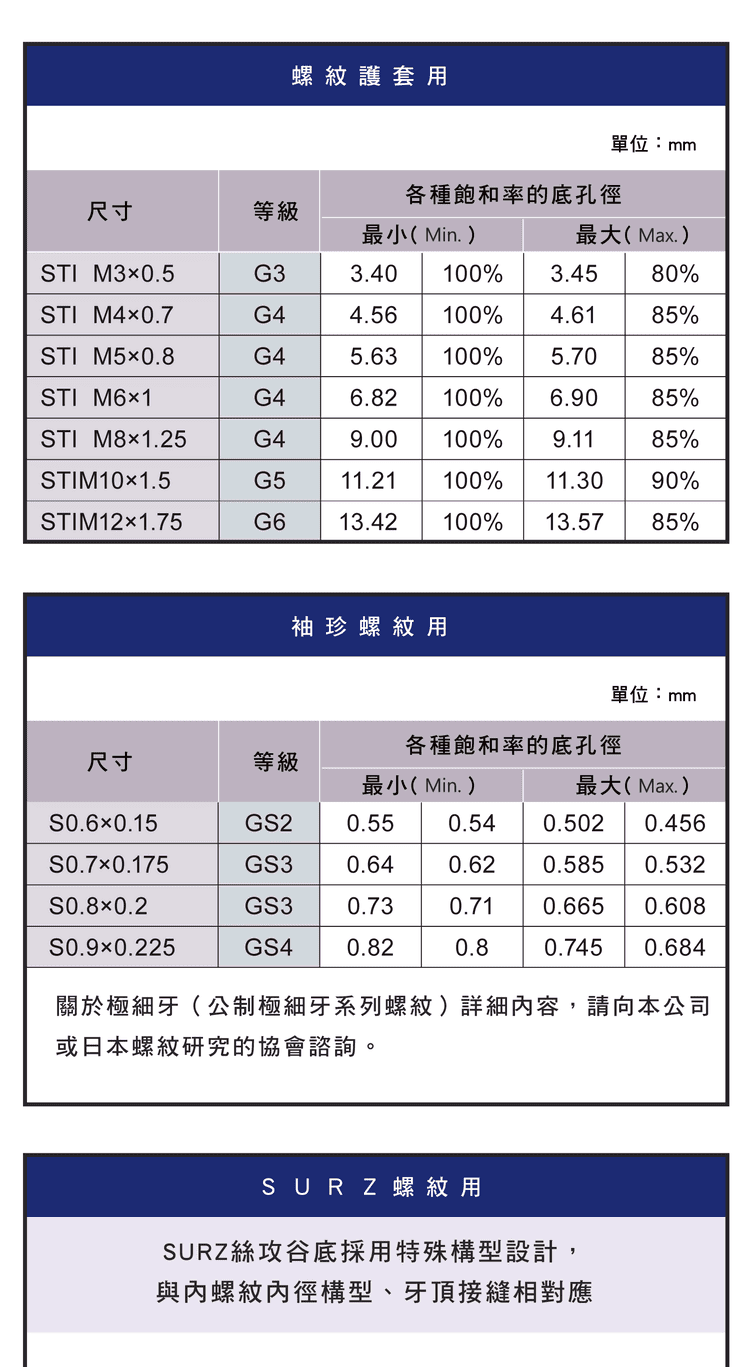
5. Unified (UNC/UNF) and STI
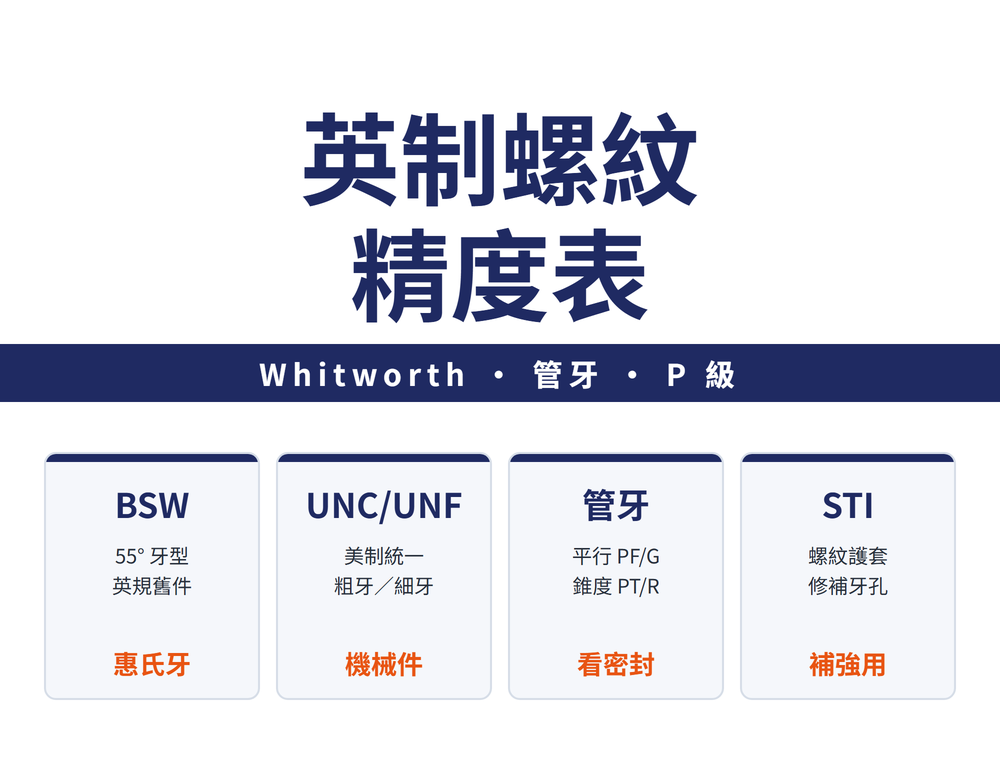
Unified form threads choose the hole by UNC (coarse) or UNF (fine): UNC holes are larger and easier to machine; UNF is higher precision with usually a smaller hole. Sizes range about No.0 to over 1/2". Thread inserts (STI) repair or reinforce threads and need a larger hole with a dedicated STI form tap.
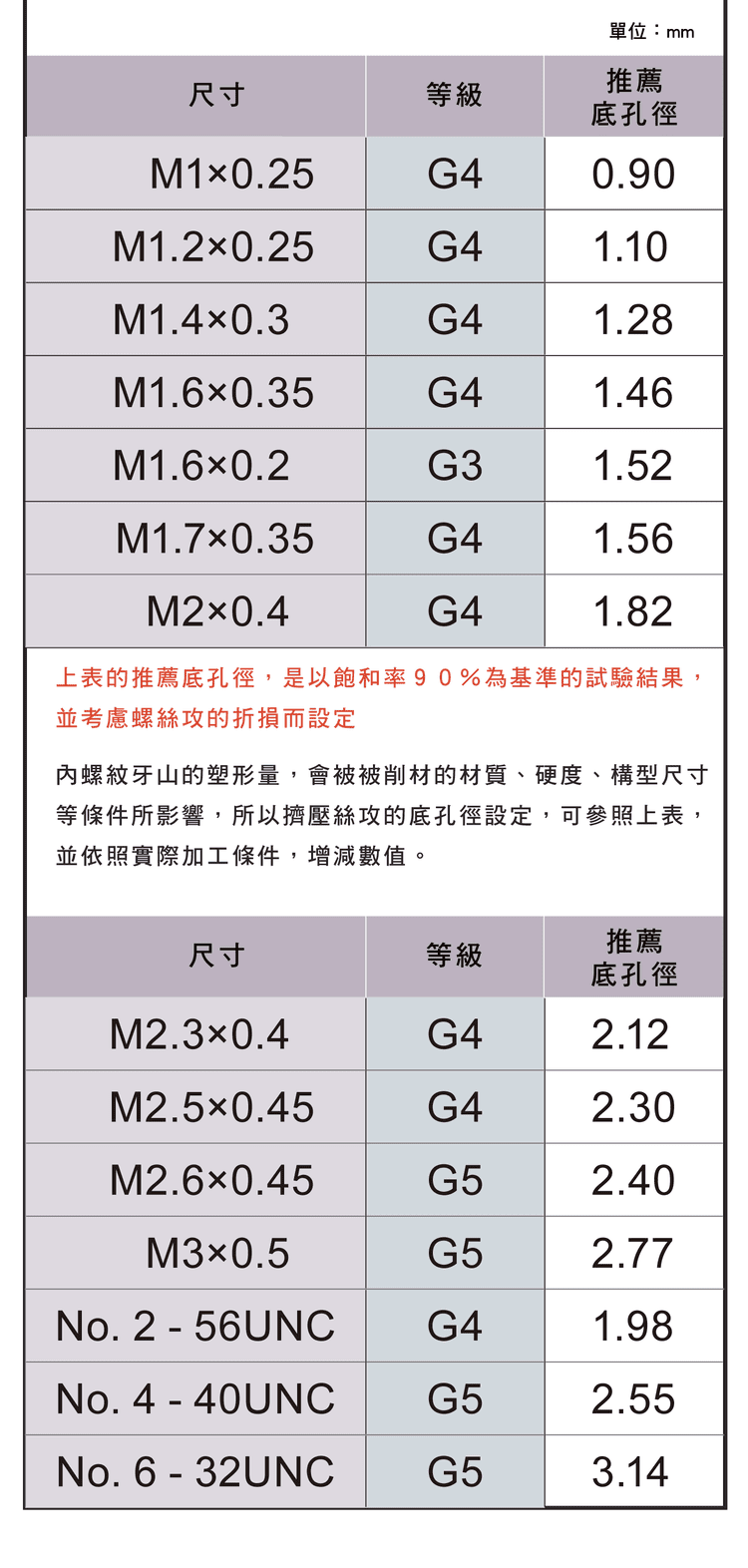
※ Full form-tap pilot-hole charts above; per-size, engagement, G-grade, Unified and STI values per the original tables.
6. Selection Points
First confirm the material is ductile enough for forming, then back-calculate the hole from 90% engagement, keep tolerance within about 5% of pitch, and pair with high-lubricity oil and a suitable G-grade. Too small spikes torque and breaks the tap; too large gives shallow, weak threads.
For principle and pros/cons see the Form Tap Guide; for cutting vs forming see Cutting Tap vs Forming Tap; for cutting-tap pilot holes see the Metric Tap Drill Chart; for precision grades see the Tap Thread Tolerance Guide.
FAQ
Q: Why is the form-tap hole larger than for cutting?
Forming pushes material into the thread, needing extra material to raise the crest. Too small spikes torque or breaks the tap; too large leaves shallow, weak threads. Keep tolerance near 5% of pitch and base on 90% engagement — e.g. M10×1.5 form-tap hole ~9.3mm (cutting ~8.5mm).
Q: What engagement should I pick?
Production usually uses 90% for a strength/life balance; 100% for higher strength (but highest torque, not advised for production) and 80% for low torque, high efficiency. The hole size is back-calculated from the target engagement.
Q: How does G-grade relate to the hole?
G-grade is the thread precision/fit; higher is more precise. When targeting a G-grade, confirm the hole and engagement together so the finished pitch diameter lands within the required tolerance (e.g. 6H).
Q: Same form-tap hole for UNC and UNF?
No. At the same major diameter, UNF (fine) has a shallower thread and usually a smaller hole than UNC (coarse). Confirm UNC or UNF and TPI first, and use the form-tap-specific hole chart.
For the full reading guides on this topic, see Thread Machining: A Complete Reading Guide and Hole Accuracy: A Complete Reading Guide.