Tap Cutting Geometry: Rake, Relief & A/B/C/D Edges
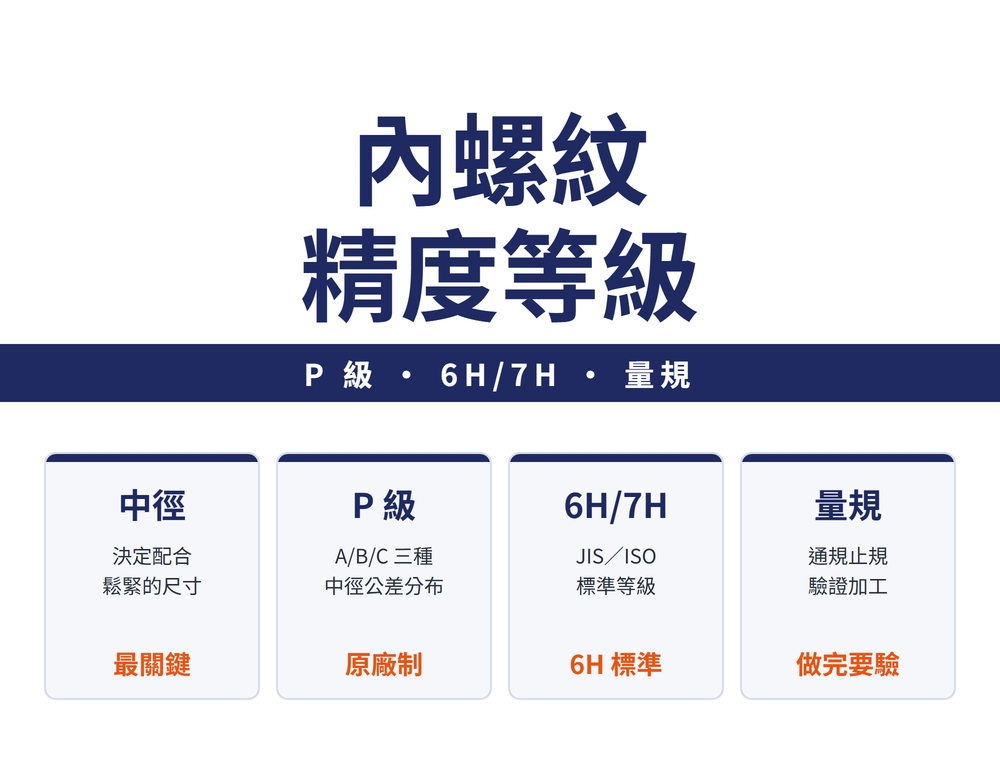
A tap's cutting (rake) and relief angles are key to tapping quality, cutting load and tool life. Different rake forms (straight, flat, hooked/tangential) and relief designs (no relief, partial, full) directly affect resistance and evacuation, while the engaged threads and edge distribution (A/B/C/D) set the cut per edge and stability. This guide explains tap geometry to help choose the best tool and conditions.
1. Why Cutting Angles Matter
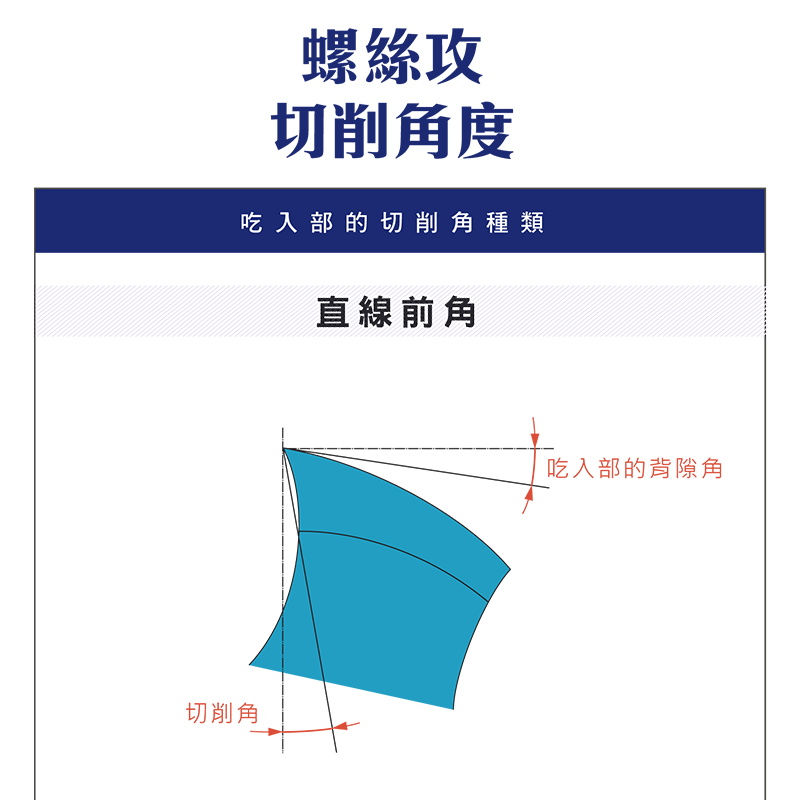
Tap geometry directly affects cutting resistance, chip formation, evacuation, tool life and thread accuracy. Good angle design lowers torque and improves stability.
2. Chamfer Rake Types
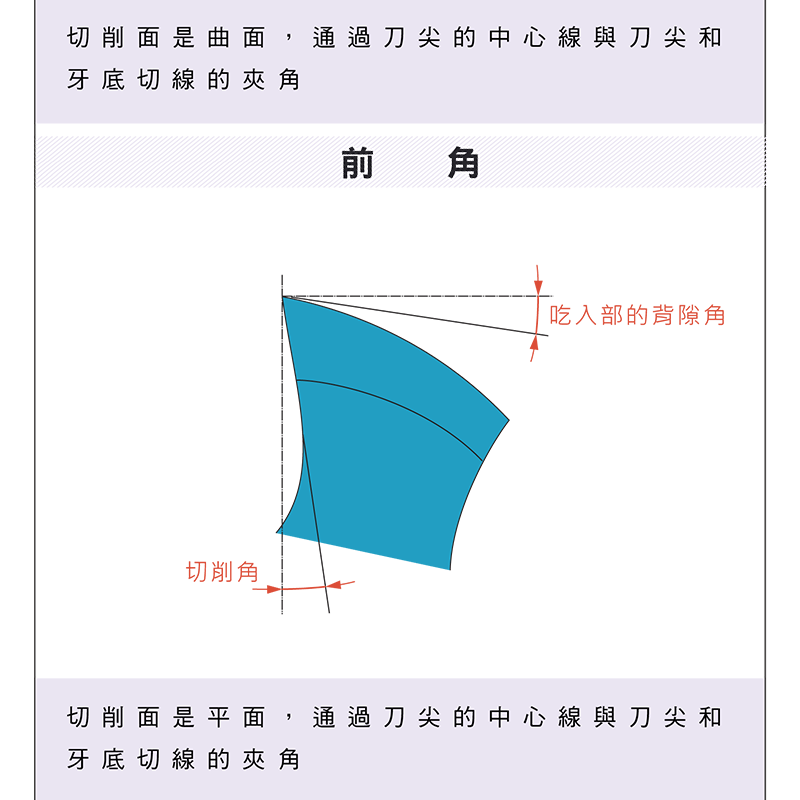
| Rake type | Trait | Use |
|---|---|---|
| Straight rake | Stable cutting force | General material, universal taps |
| Flat rake | Flat face, high stability | Medium-hard material, steady production |
| Hooked/tangential rake | Continuously curved face, lower resistance | Hard-to-cut material, high-speed |
3. Relief Angle Design
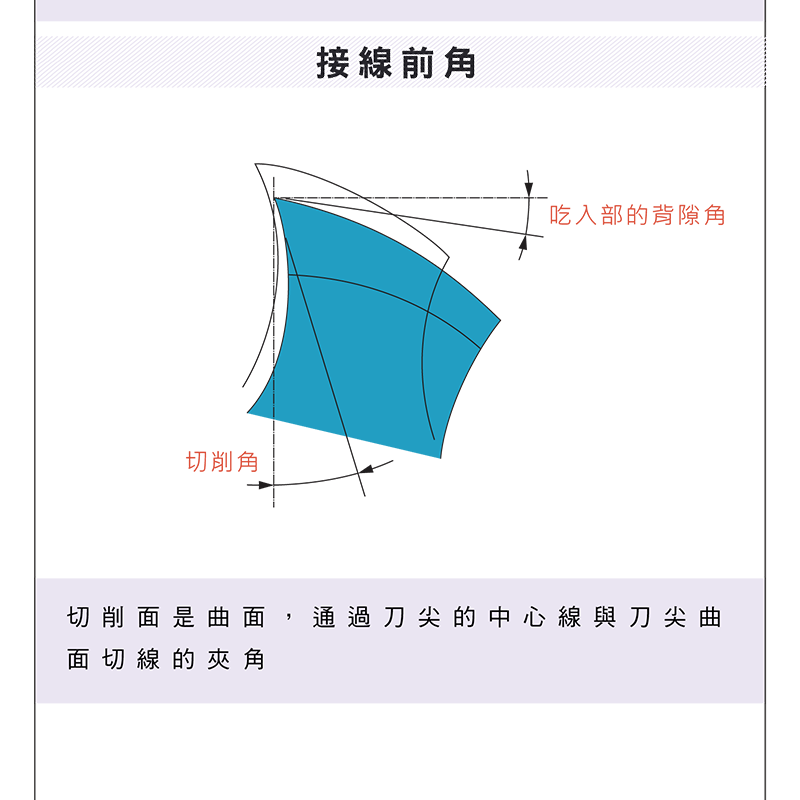
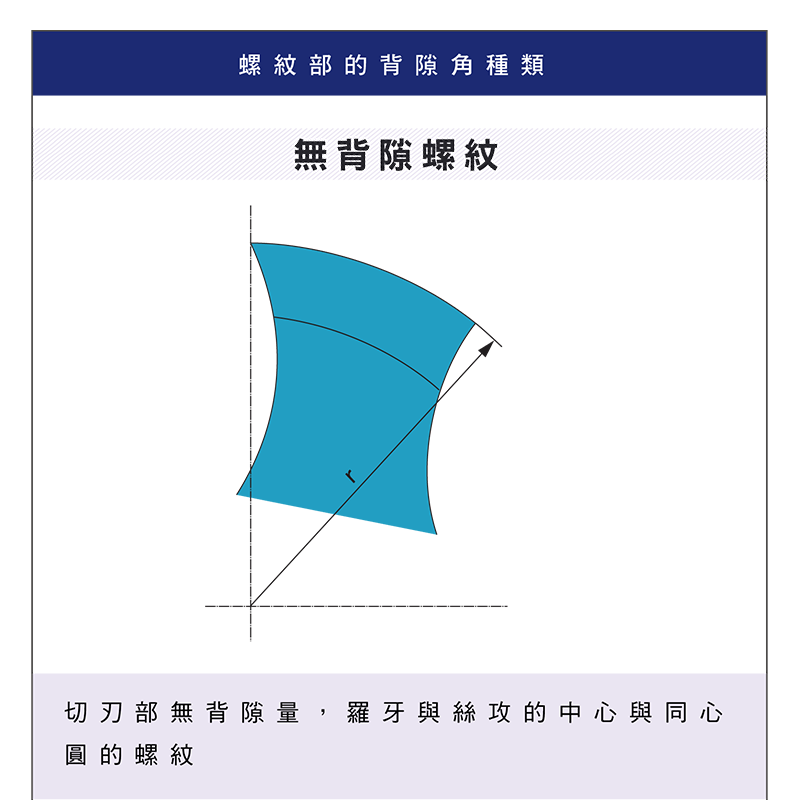
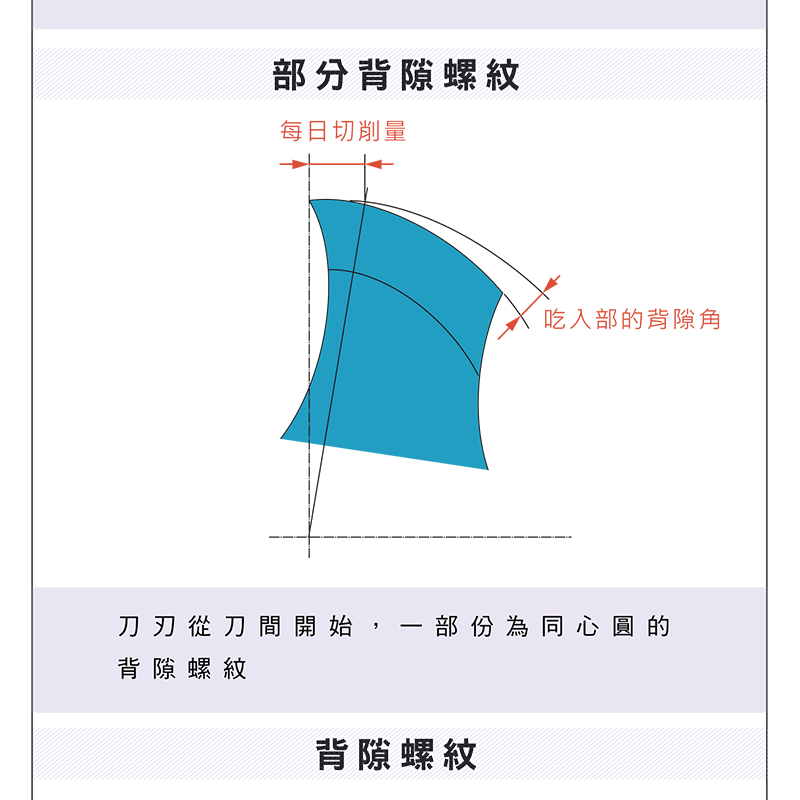
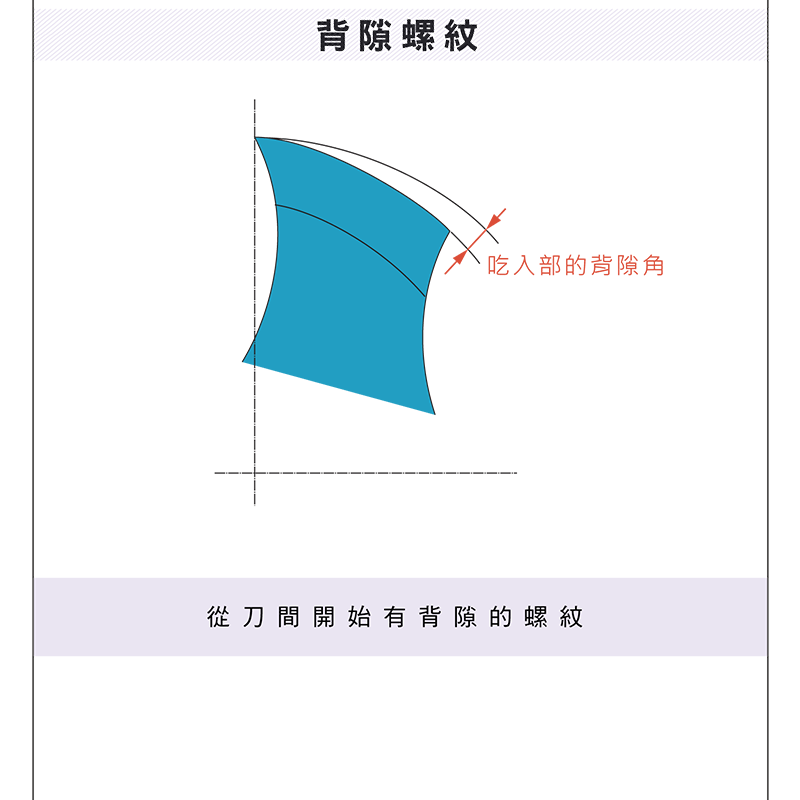
| Relief type | Trait and use |
|---|---|
| No relief | No clearance, more friction; low-speed work |
| Partial relief | Local clearance, lower load; common standard design |
| Full relief | Minimal friction, better evacuation; high-speed or hard-to-cut |
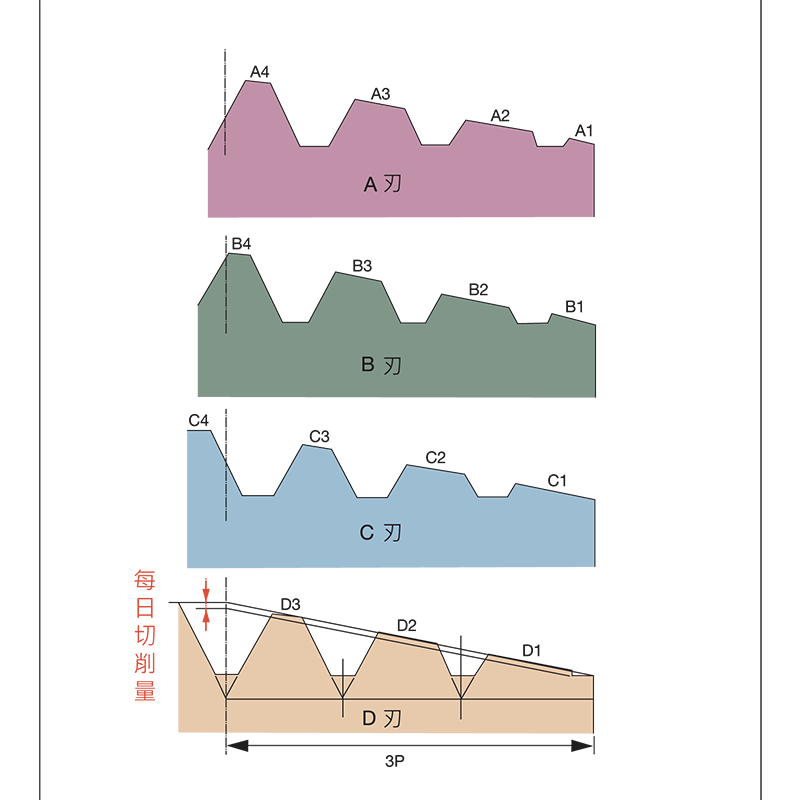
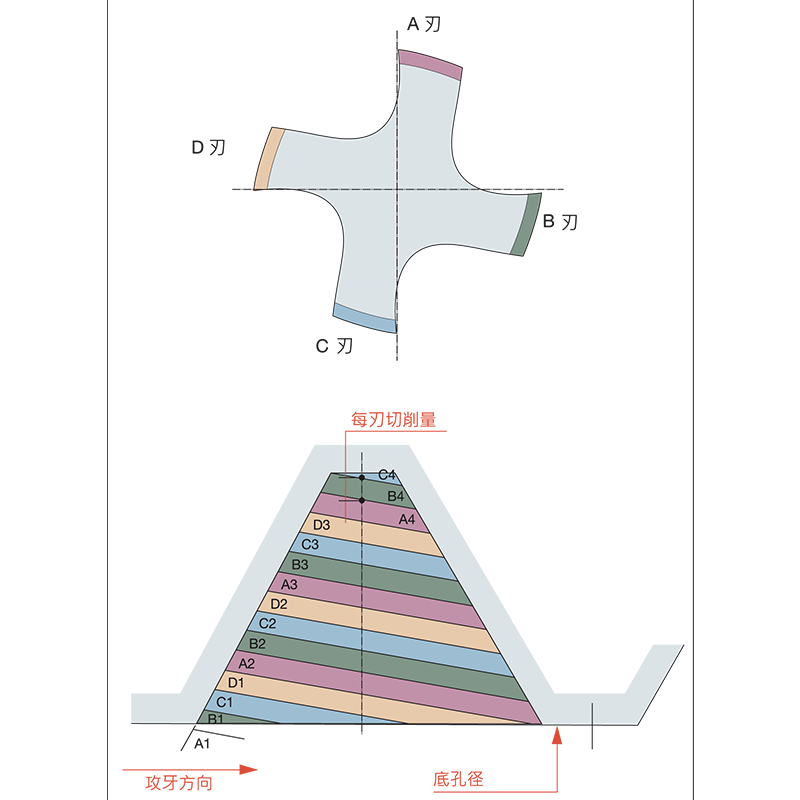
4. Cut Distribution (A/B/C/D Edges)
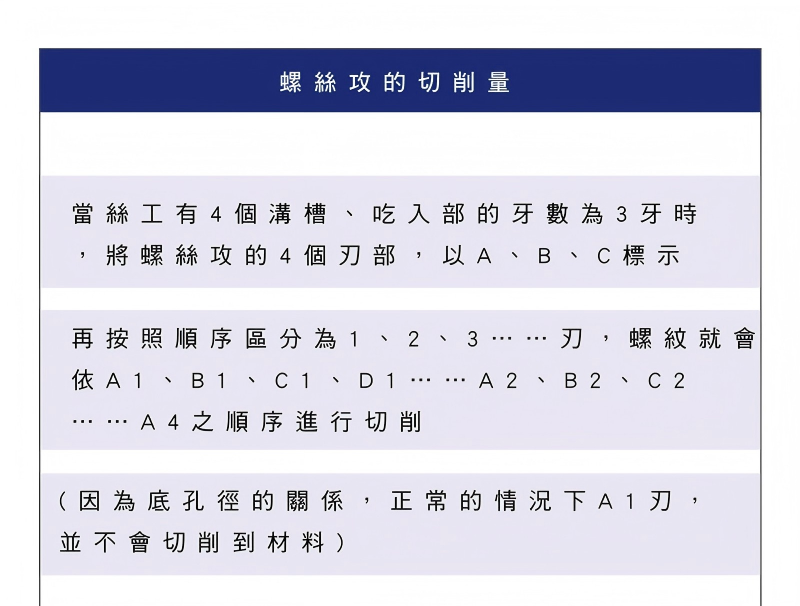
The tap chamfer has multiple edges; the cut is distributed edge by edge along the chamfer:
| Edge | Cutting role |
|---|---|
| A edge | Initial lead-in, smallest cut |
| B edge | Gradually increasing cut |
| C edge | Main cutting zone |
| D edge | Finishes the form |
A longer chamfer spreads the cut over more edges, giving a smaller load per edge and steadier torque, but a longer cutting length.
5. Selection Points
General material uses straight/flat rake with partial relief; hard-to-cut and high-speed use hooked rake with full relief to cut resistance and improve evacuation; low-speed or special needs can use no relief. Adjust the engaged threads by hole type and torque.
For flute design see the Tap Flute Design Guide; for torque see the Tap Torque Guide; for spiral-point see the Spiral-Point Tap Guide; for the tool overview see the Thread Tool Chart.
FAQ
Q: Is a bigger rake always better?
Not necessarily. A larger rake cuts more freely with less resistance but weakens the edge (more chipping). Soft/hard-to-cut materials can use a larger rake (e.g. hooked); hard materials need a smaller rake to keep edge strength. Choose by material.
Q: What is the relief angle for?
Relief leaves clearance between the tap flank and the formed thread, cutting friction and heat and aiding evacuation. Full relief has the least friction for high-speed/hard-to-cut; no relief has high friction for low speed only. Most standards use partial relief.
Q: What do A/B/C/D edges mean?
They are the cut distribution across the chamfer edges: A leads in (least cut), B increases, C is the main cut, D finishes the form. A more even distribution gives steadier torque and better thread quality.
Q: What angles for hard-to-cut materials?
Use a hooked rake (low resistance) with full relief (low friction, good evacuation), add engaged threads to spread the load, and use good cutting fluid to lower torque and breakage risk.
For the full reading guide on this topic, see Thread Machining: A Complete Reading Guide.