Cermet Cutting Tool Guide: Steel Finishing and Mirror Surface
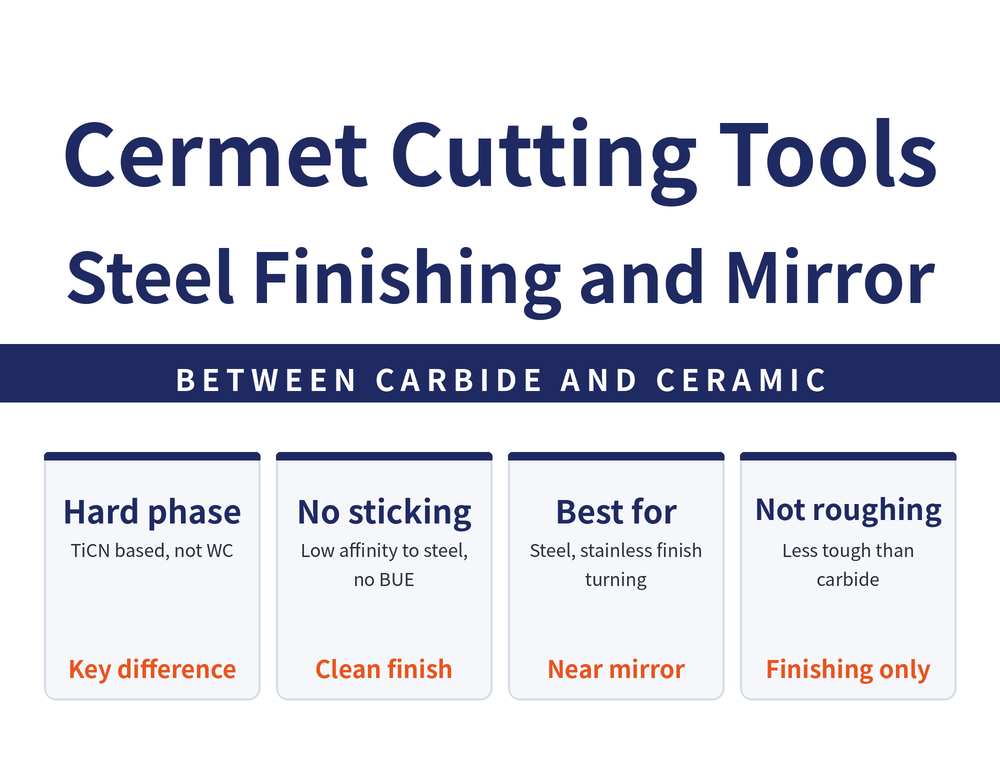
Cermet is a cutting tool material sintered from a TiCN (titanium carbonitride) hard phase with nickel and cobalt as the metallic binder, sitting between tungsten carbide and ceramics. Its home ground is finish turning of steel: little adhesion, an edge that stays sharp, and surfaces close to mirror finish — but it is less tough than carbide, so heavy interrupted cuts and roughing are out.
1. What Cermet Is
The name Cermet comes from Ceramic plus Metal — ceramic wear resistance and metallic toughness combined in one material. It uses TiCN (titanium carbonitride) and related titanium compounds as the hard phase, sintered with nickel and cobalt as the binder.
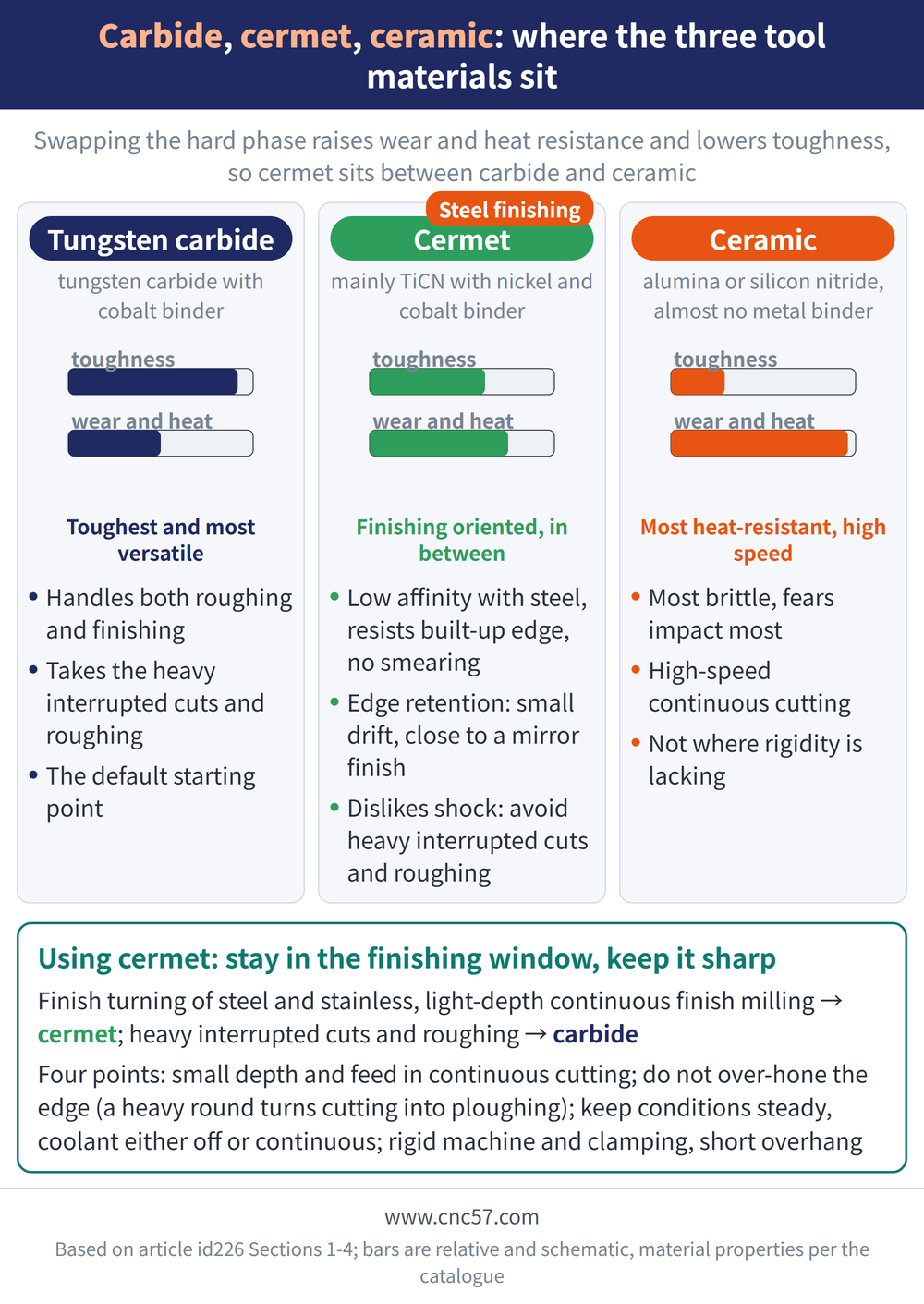
The key difference from carbide is the hard phase: tungsten carbide is WC-Co (tungsten carbide with cobalt, the basic make-up of carbide tooling), while cermet uses the TiCN system. Swapping the hard phase raises wear and heat resistance and lowers toughness.
| Tool material | Main hard phase and binder | Relative position |
|---|---|---|
| Tungsten carbide (WC-Co) | Tungsten carbide with cobalt binder | Toughest and most versatile; handles both roughing and finishing |
| Cermet | Mainly TiCN with nickel and cobalt binder | More wear and heat resistant than carbide, tougher than ceramics; finishing oriented |
| Ceramics | Alumina, silicon nitride and similar, with almost no metallic binder | Best heat resistance and highest speeds, but the most brittle and shock-sensitive |
The table gives the relative positioning of the three material families as typical values; refer to the catalogue or standard, not measurements taken by this site.
For the full picture of tool materials, see Cutting Tool Materials Guide; for reading carbide grade codes, see Carbide Grade Decode Guide.
2. Why It Suits Finish Turning of Steel
It comes down to one thing: cermet has low chemical affinity with steel, so material does not stick to it. The edge stays sharp for longer, and size and surface stay stable with it.
| Material property | Benefit in the cut |
|---|---|
| Low affinity with steel | Resists BUE (built-up edge, workpiece material welding and piling up on the cutting edge), so the surface is not smeared or torn |
| High wear resistance and edge retention | The edge stays sharp far longer, so dimensional drift over a run is small and offsets are rare |
| Good resistance to oxidation wear | The edge degrades more slowly at high temperature, making life and quality more predictable |
| Can run a sharp edge | Lower cutting force and cleaner chip flow give low surface roughness, close to a mirror finish |
This is a general comparison of material properties; the roughness and tool life described are typical statements — refer to the catalogue or standard, not measurements taken by this site.
To match tool material and coating to the workpiece, see Material and Coating Selection by Workpiece.
3. Where It Fits and Where It Does Not
Cermet is a finishing material: it rewards stability and dislikes shock. Used in the right place it is excellent; used in the wrong place the edge chips.
| Application | Verdict | Notes |
|---|---|---|
| Finish turning of steel and stainless steel | Suitable | The classic home ground: stable size, bright surface |
| Finish milling and light-depth continuous cutting | Suitable | Steady cutting force is what lets the edge retention pay off |
| Heavy interrupted cutting | Not suitable | Repeated impact exceeds the toughness margin; use carbide instead |
| Roughing with large depth and feed | Not suitable | High cutting forces are not what cermet is designed for |
| High impact, weak clamping or machine rigidity | Use with care | Vibration turns straight into micro-chipping; fix rigidity before changing grade |
| Intermittent coolant flooding | Use with care | Thermal shock from repeated heating and cooling cracks the edge; keep coolant continuous |
The table gives general suitability guidance, not measurements taken by this site; grade toughness classes and recommended applications follow the catalogue or standard.
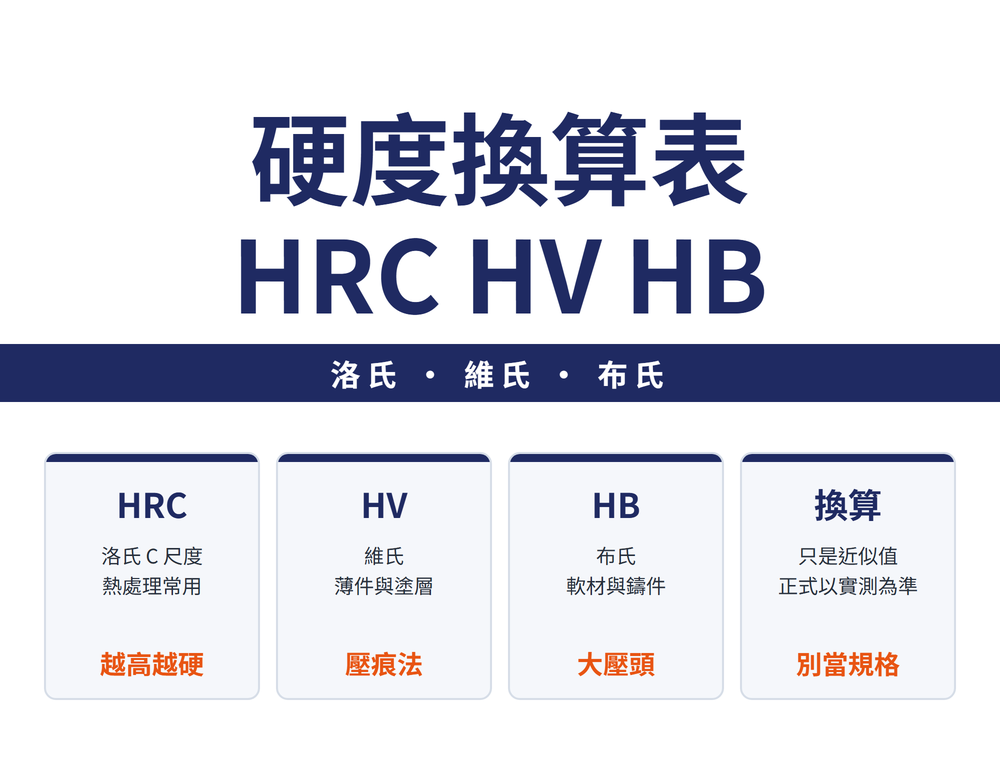
For matching workpiece hardness to tool material, see Hardness and Tool Selection Guide; when hardened steel replaces grinding with turning, CBN takes over — see Hard Turning Guide.
4. Practical Points for Using Cermet
The trick is to keep cermet in the finishing window and keep it sharp. Four points:
| Point | What to do |
|---|---|
| 1. Stay in the finishing window | Small depth of cut and small feed in continuous cutting is cermet territory; leave roughing to carbide |
| 2. Do not over-hone the edge | A heavy edge round turns cutting into ploughing, raising force and roughness; keep the edge sharp |
| 3. Keep conditions steady and continuous | Avoid on-off cutting and on-off cooling; run either dry or with continuous, steady coolant |
| 4. Rigid machine and clamping | Shorten overhang and clamp firmly to suppress vibration — the only way to hold a mirror-class surface |
These are general operating principles, not measurements taken by this site; edge preparation specifications and application ranges follow the catalogue or standard.
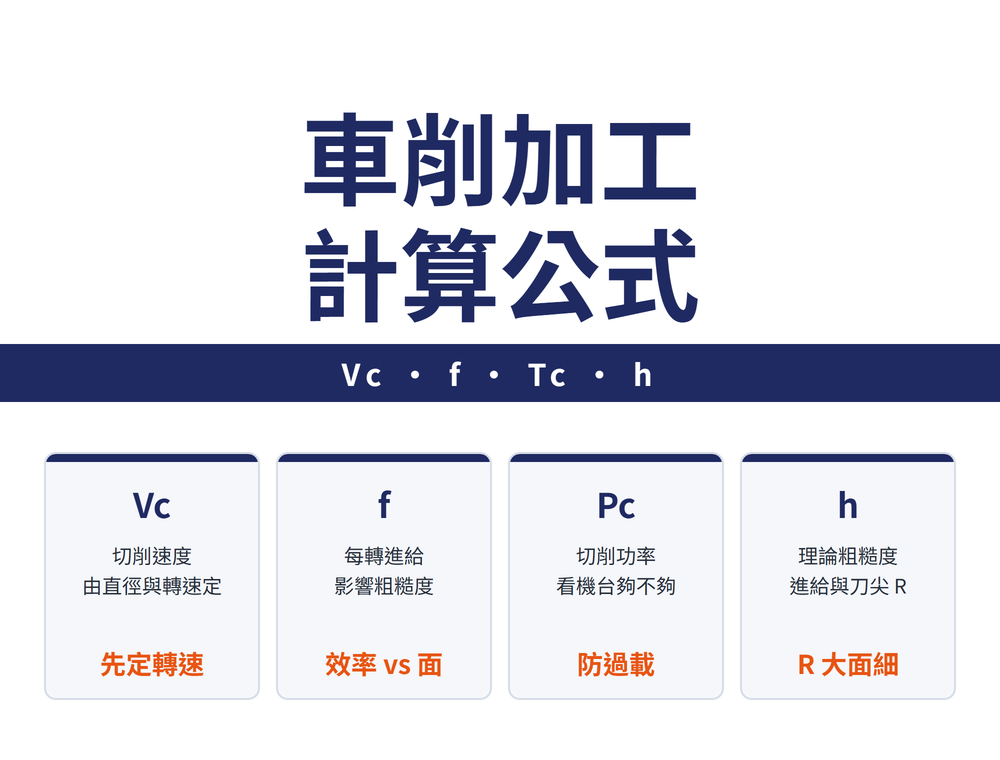
Do not apply generic cutting speed and feed values; decide them from the tool catalogue and a trial cut. For the calculation method, see Turning Machining Formula Handbook; for choosing tool material by tool type, see Tool Material Selection by Tool Type.
Last updated: 2026-07-27
5. Frequently Asked Questions (FAQ)
Q: How does cermet differ from tungsten carbide?
The hard phase differs: carbide is mainly tungsten carbide (WC-Co) while cermet uses the TiCN titanium carbonitride system. As a result cermet is more wear and heat resistant and carbide is tougher, so cermet leans to finishing and carbide stays the all-rounder.
Q: Can cermet really produce a mirror surface?
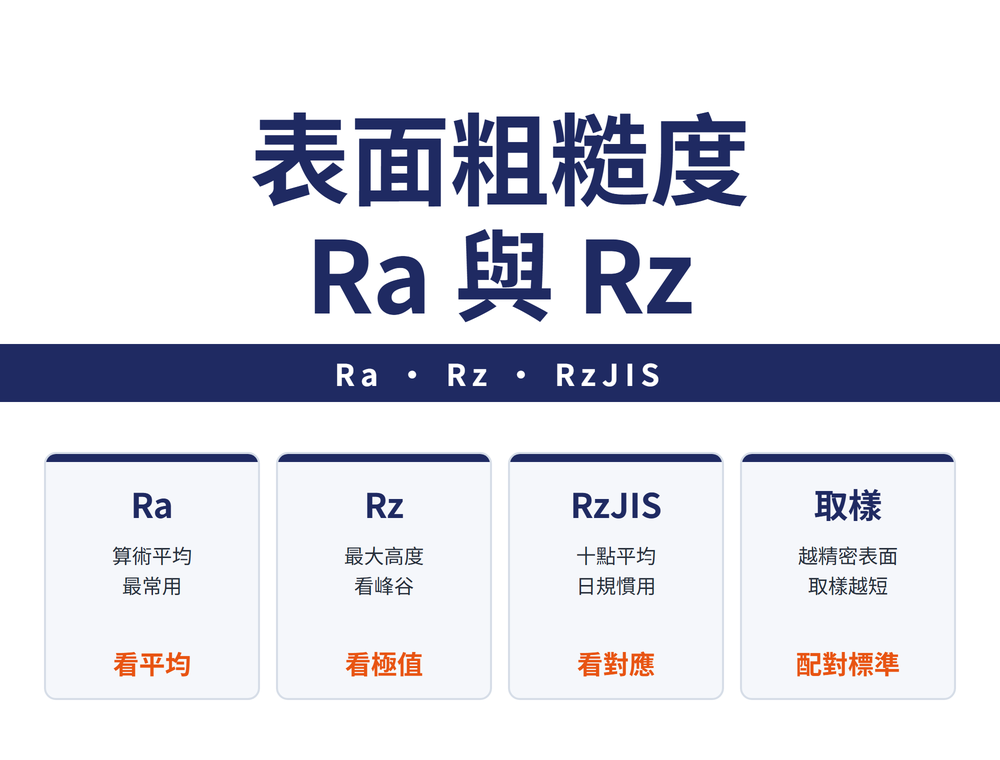
In steady continuous finish turning of steel at small depth and feed, it can reach a surface close to mirror finish. The roughness actually achieved depends on nose radius, feed and machine rigidity — follow the catalogue or your trial cut.
Q: Can cermet be used for roughing or heavy interrupted cuts?
It is not recommended. Cermet is less tough than carbide, so large depths of cut and repeated impact chip the edge; keep carbide for those operations.
Q: Should cermet be run with coolant?
Both dry and wet cutting work; what matters is avoiding rapid heating and cooling cycles. If coolant is used it must be continuous and steady, since thermal shock from intermittent flooding is a common cause of edge cracking.
For the full reading guide on this topic, see Surface Finish: A Complete Reading Guide.
This article is part of Tool Materials and Coatings: The Complete Guide - Separate Substrate From Coating, Then Work Back From the Workpiece; that guide shows how the whole topic fits together.