CNC Machining Fundamentals: The Complete Guide - Know the Machine and Shop, Then Read the Drawing
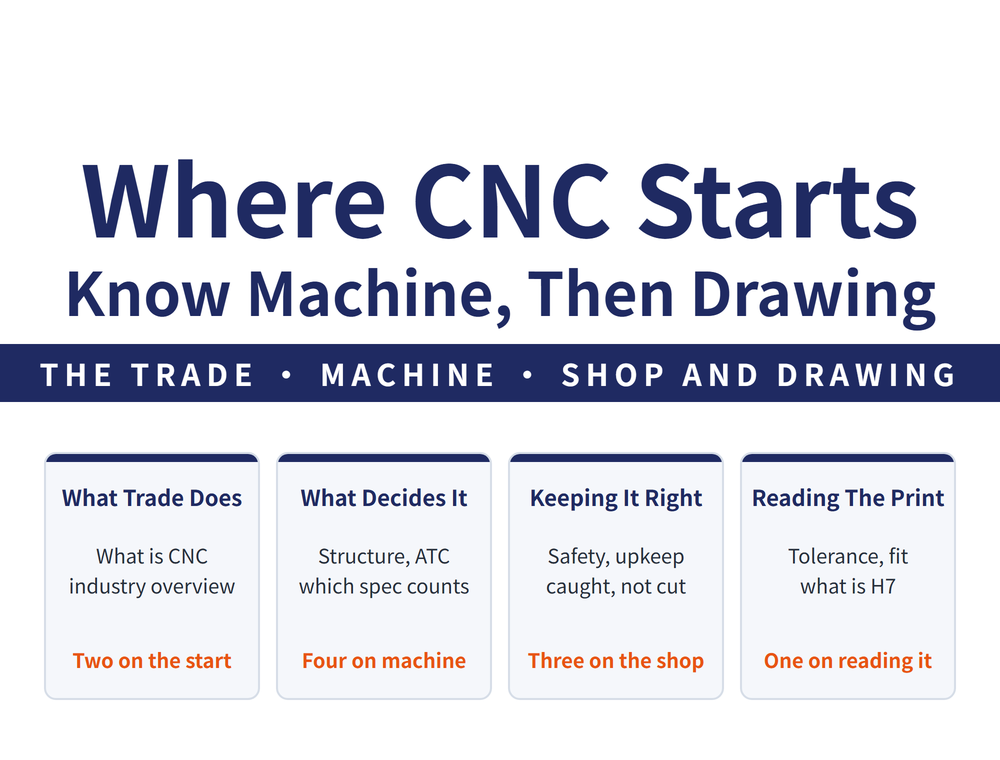
These 10 articles cover what you need to know before selecting a tool or planning a process: what this trade actually does, what decides a machine, how to keep the shop safe and accurate, and how to read what a drawing is asking for before you start. They serve newcomers to the trade, and the purchasing and management staff who select machines, run the floor, and read drawings. Tool selection and process planning are the next steps, each with its own line.
1. What This Trade Actually Does
If you are new to this work, start with these two. They answer "where am I and what is being made here".
| Article | When to read it |
|---|---|
| What Is CNC | The entry point for the line. How NC and CNC differ, and when CNC does not pay |
| Taiwan's CNC Machining Industry | When you want to know how the cluster works and what each role in the industry actually does |
What happens after an order is placed - the stages a part actually passes through - is the start of a different line, in Manufacturing Process: The Complete Guide. Here the foundation comes first: know the machine, know the shop, know the drawing.
2. What Actually Decides a Machine
The hard part of a spec sheet is not the model numbers, it is knowing which columns affect the cut. These four answer that.
| Article | When to read it |
|---|---|
| The Four Parts That Define a Machine Tool | Read this one first. The four parts that set accuracy and rigidity, and how to read their specs |
| Reading a CNC Lathe | When the machine in front of you is a lathe, not a mill; includes slant bed versus flat bed |
| ATC and Tool Magazines | Magazine type and capacity get treated as secondary, but they decide change time and the largest tool you can fit |
| CNC Controllers Compared | The same mechanical body with a different controller is a different machine |
The grouping is simple: the first two look at the mechanical body, the last two at its periphery and its brain. When you are actually placing an order, read all four - a good body you cannot program comfortably, or a magazine your tools will not fit, is still a machine you will fight.
3. Keeping the Shop Safe and the Accuracy Alive
Buying the machine is the short part. Accuracy is not fixed at purchase; daily use wears it away - and people come before accuracy.
| Article | When to read it |
|---|---|
| Machine Shop Safety | Read this before the rest. The common injury is not a cut, it is being caught or crushed |
| Machine Tool Daily Maintenance | When accuracy starts drifting for no clear reason; chips are the first enemy |
| Managing Cutting Fluid and Consumables | When tool life shortens for no obvious reason, or the coolant starts to smell |
All three share one property: they govern things that go bad slowly, with no alarm on the day it happens. The coolant article here is about looking after it once bought; whether a given cut should use coolant at all is a process-planning decision, in section 4 of Manufacturing Process: The Complete Guide.
4. Before You Start: Read What the Drawing Is Asking For
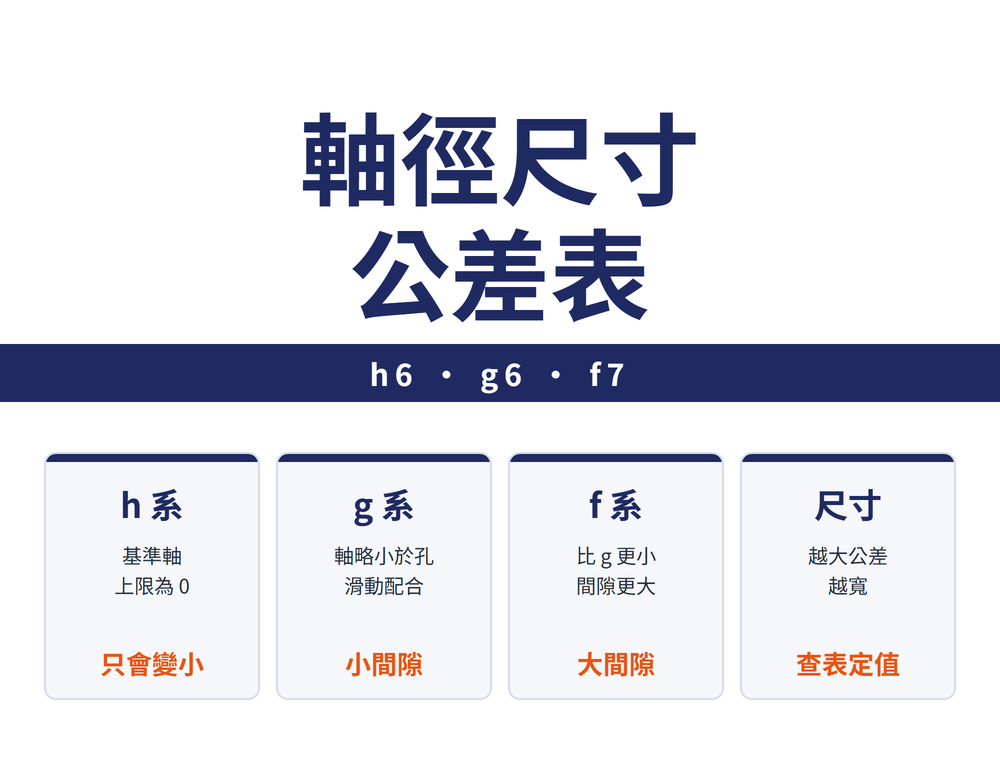
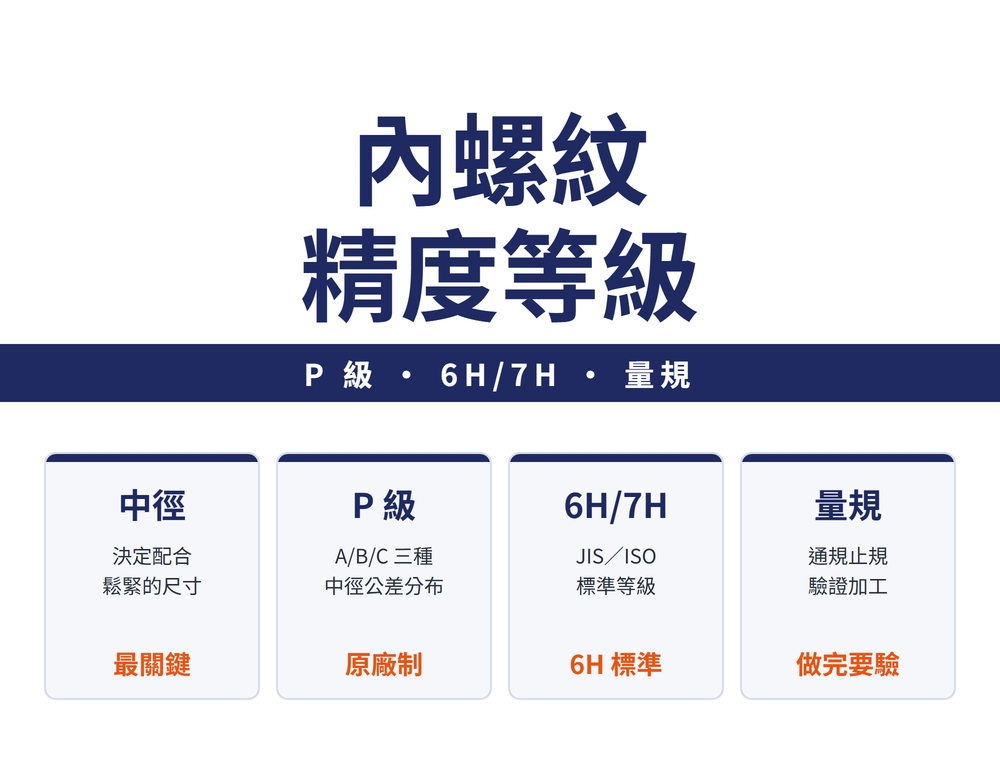
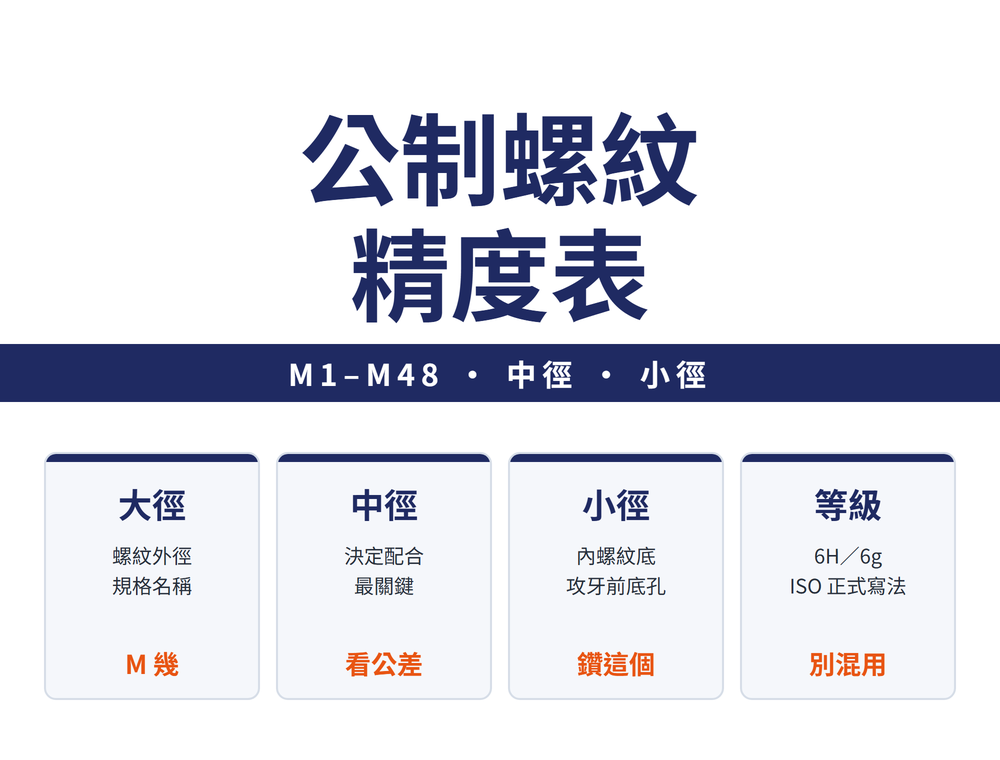
Selecting a tool and planning a process both send you back to the drawing, and the tolerances on it are not there to make life difficult - they state how closely a dimension has to be held for the parts to go together. Confusing dimensional with geometric tolerance, or not knowing what H7 means, causes trouble in both quoting and machining.
| Article | When to read it |
|---|---|
| Reading Tolerance and Fit | When a designation on the drawing does not make sense, or you need to confirm it can be made before quoting |
Once this one is read, you are actually ready to move on: to select a tool, check the technical information under the relevant product line; to sequence the work, set the datum and leave allowance, see Manufacturing Process: The Complete Guide; for hole tolerance and runout in more depth, there is Hole Accuracy: A Complete Reading Guide.
5. Frequently Asked Questions (FAQ)
Q: Where should I start in these 10 articles?
It depends who you are. Completely new to the trade, start with What Is CNC in section 1. Selecting a machine or handling purchasing, read the four in section 2. Responsible for shop management or safety, read section 3. A drawing is already in hand and you need to confirm it can be made, go straight to tolerance and fit in section 4. After these 10, the next step is tool selection (under the relevant product line) or process planning (Manufacturing Process: The Complete Guide).
Q: Why does tolerance and fit sit here instead of with the process-planning articles?
Because reading the drawing comes one step earlier - every process-planning decision (how many passes, how much allowance, which datum) can only be made once the tolerance requirements on the drawing are understood. This tolerance article answers "what is the drawing saying"; Manufacturing Process: The Complete Guide answers "once you know what it is saying, how do you make it" - the two are sequential, not the same layer.
Q: Is a spec sheet enough when buying a machine?
No. A spec sheet lists numbers, but what actually decides how usable a machine is comes down to whether four things fit your work: the rigidity and accuracy of the mechanical body, how familiar the controller is, whether the magazine fits the tools you actually use, and how fast it changes tools. A good body with a controller nobody knows how to run, or a magazine that will not take your longest regular tool, is still a machine that fights you. Read all four in section 2 before ordering, not just one or two.
Q: Machine accuracy has dropped - is it the machine or the maintenance?
Usually maintenance. Accuracy is not a number fixed at purchase; daily use wears it away, and how often chips are cleared and how well it is lubricated shows up in measurements months later. If a specific event is suspected - a collision, an overload, a part worn past its limit - that needs inspection, not routine maintenance. The second article in section 3 has the full maintenance list and intervals.
Published: 2026-09-10|Last updated: 2026-09-10