
Cart
Member

Category
All Articles
Technical Reading Guides
Industry News
General Technical Information
Workpiece Material Technical Information
Cutting Tool Material & Coating Technology
Milling Cutter Technical Information
Drill Bit Technical Information
Boring Technical Information
Tapping Technology
Tool Holder Technical Information
Workholding & Fixture Technical Information
Turning Technical Guide
Abrasives & Grinding Tools Technical Information
Precision Measurement Guide
CNC Machining Fundamentals
Machine Tool Technical Information
Manufacturing Process Technical Information
Site Tutorials
Technical Information
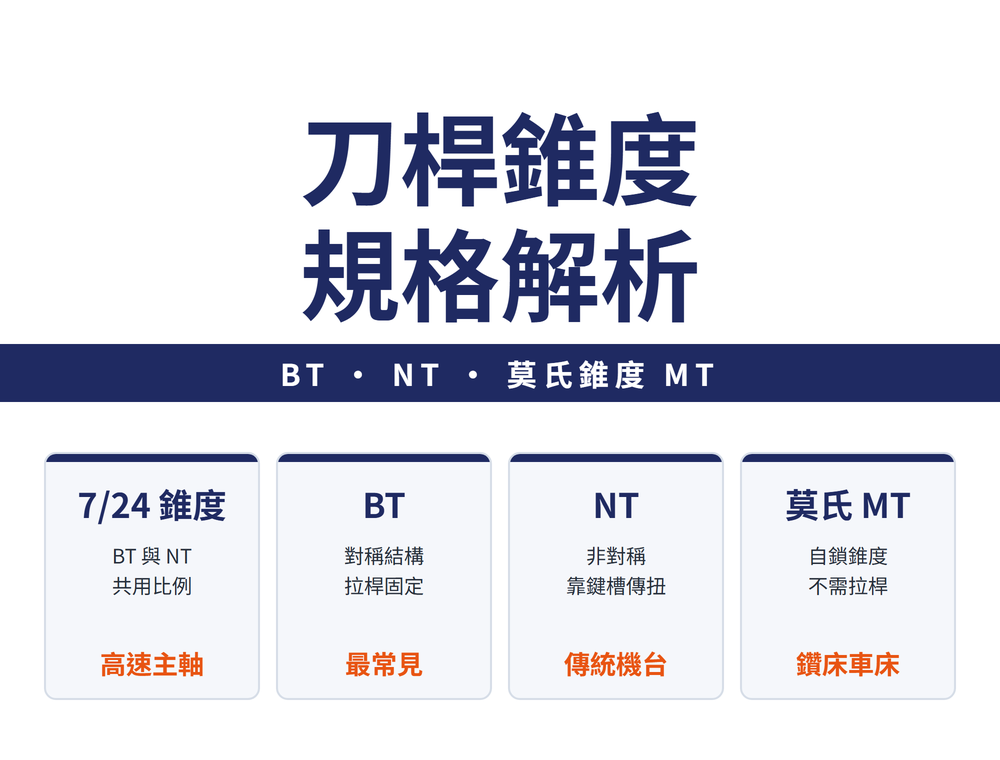
Tool Holder Taper Guide: BT, NT & Morse Taper (MT)

ER Collet Specs & Tightening Torque: ER8–ER50 Sizing
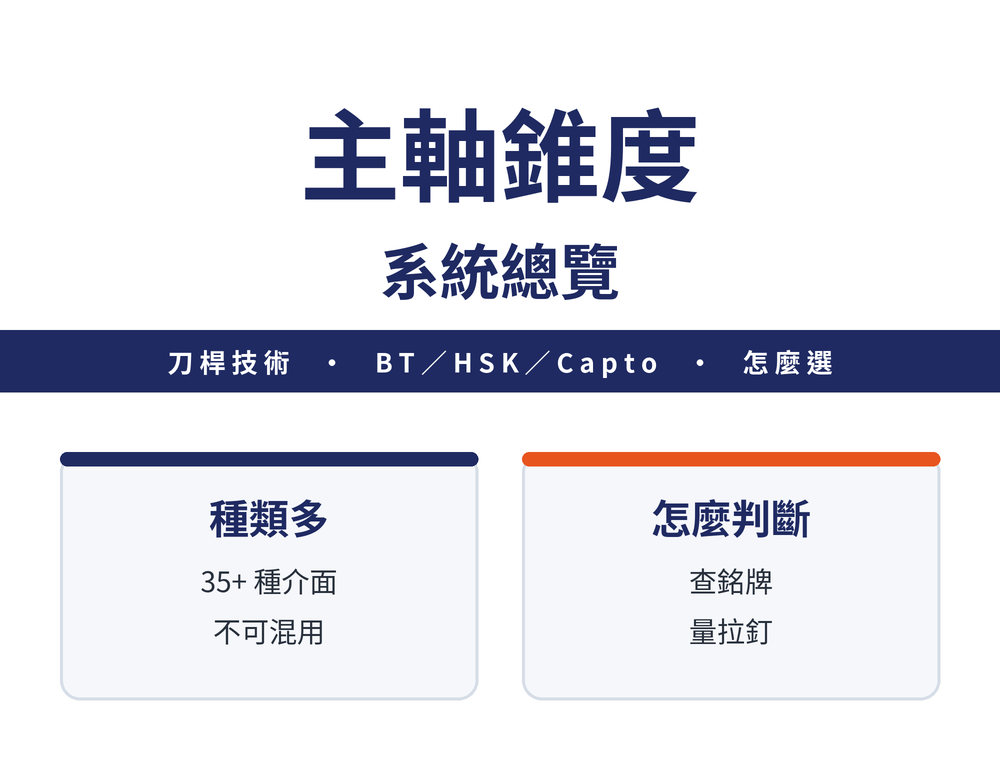
Spindle Taper Systems Overview: BT, HSK, Capto, SK, NT, CAT, MT

How to Choose a Collet: ER / SK / Pull-Back / Straight

Collet Damage and Deformation
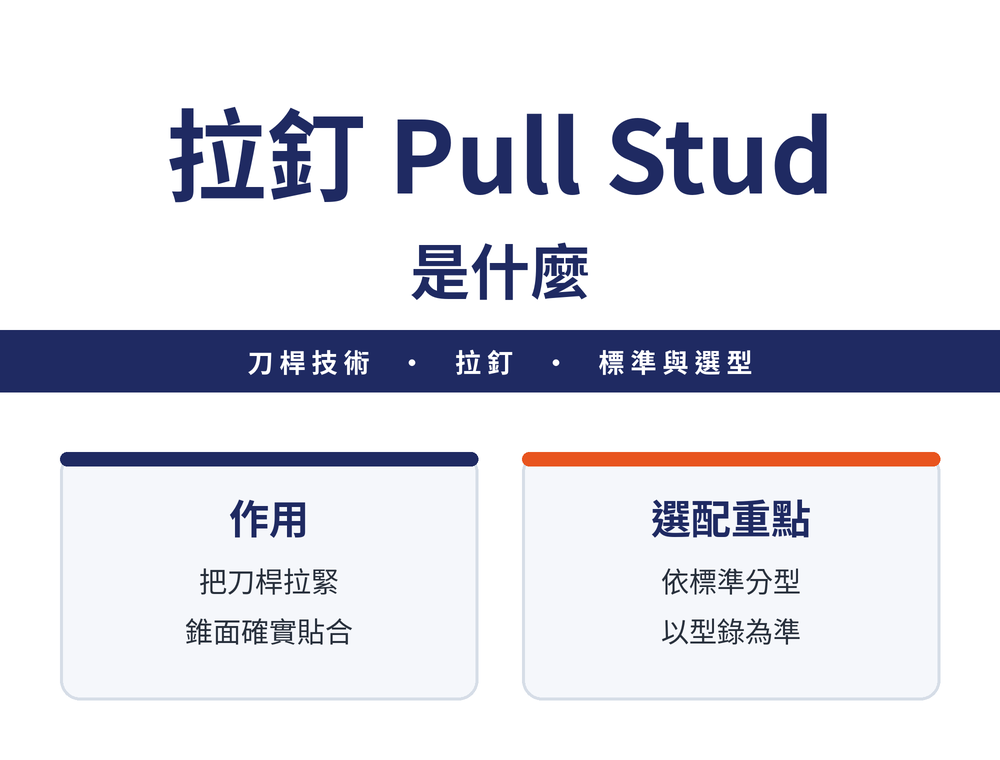
What Is a Pull Stud: Standards and Selection Basics

Tool Holders for Tapping: Rigid, Synchronised and Floating
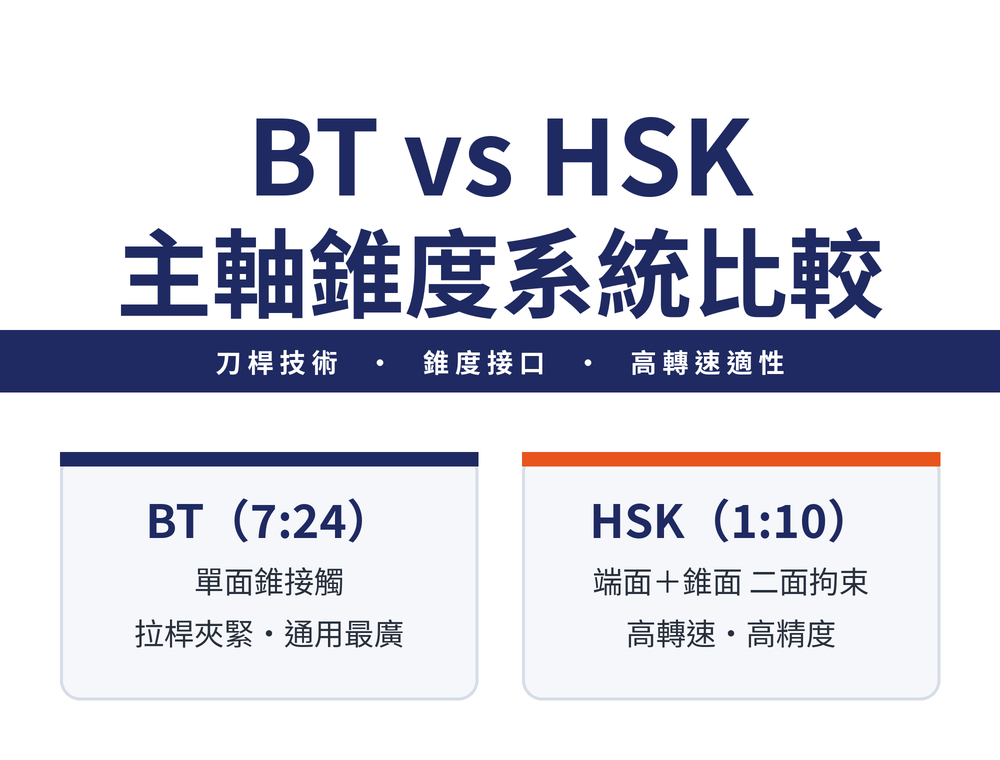
BT vs HSK Spindle Taper Systems Compared
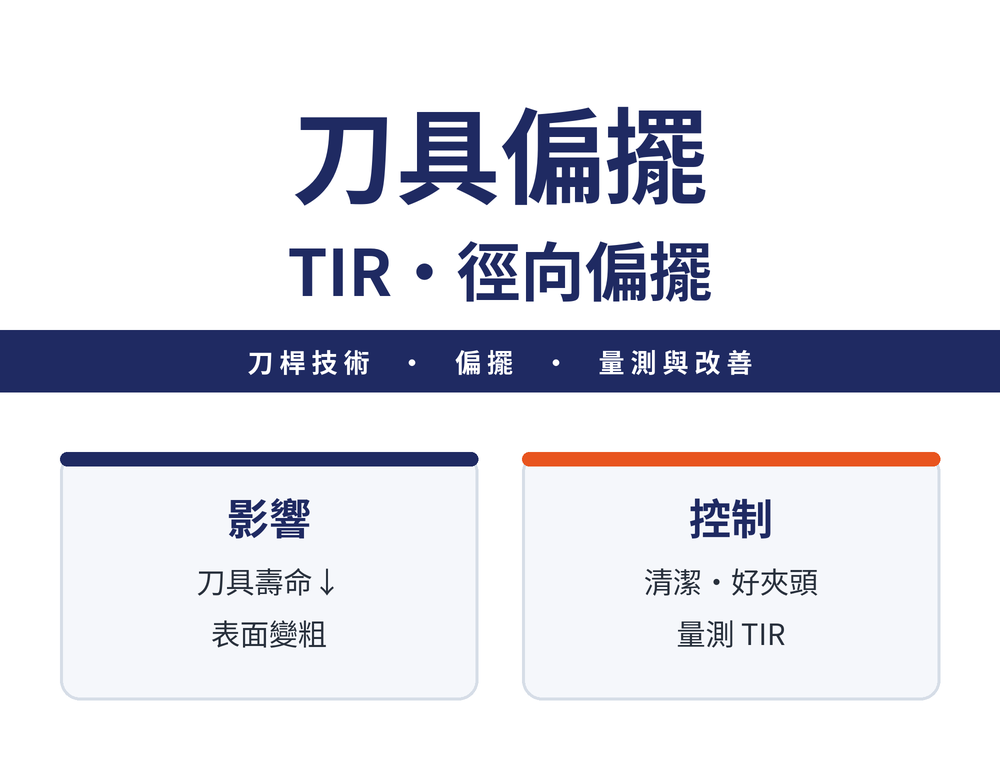
Tool Runout (TIR): Effects, Measurement and How to Reduce It
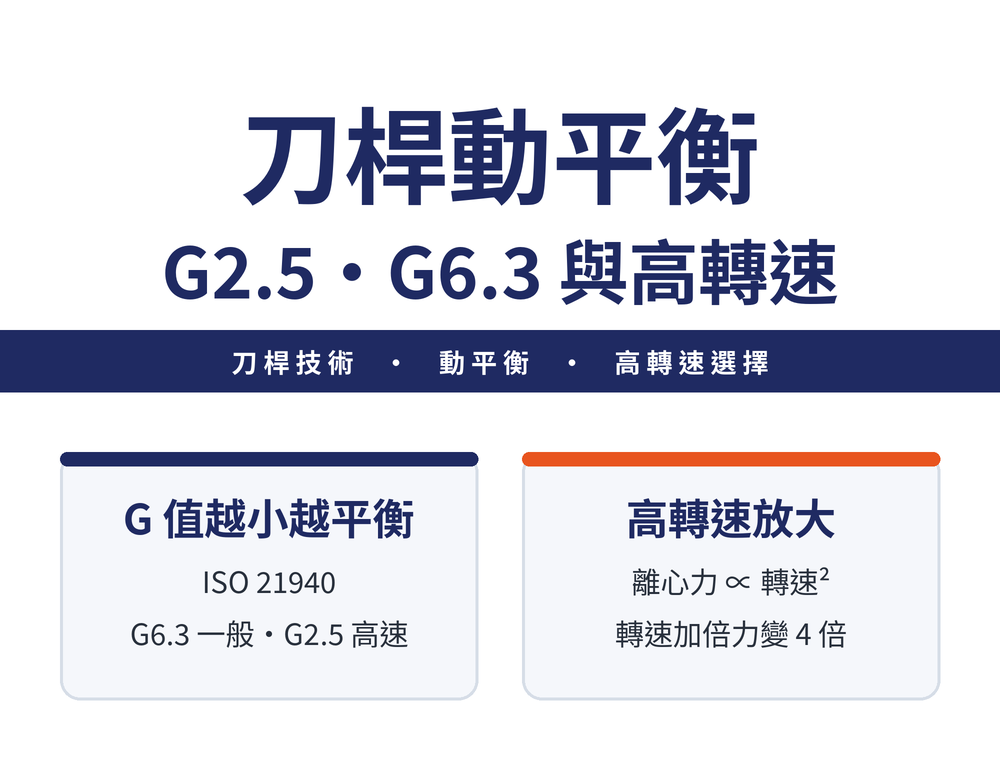
Tool Holder Balance: G2.5 / G6.3 and High RPM
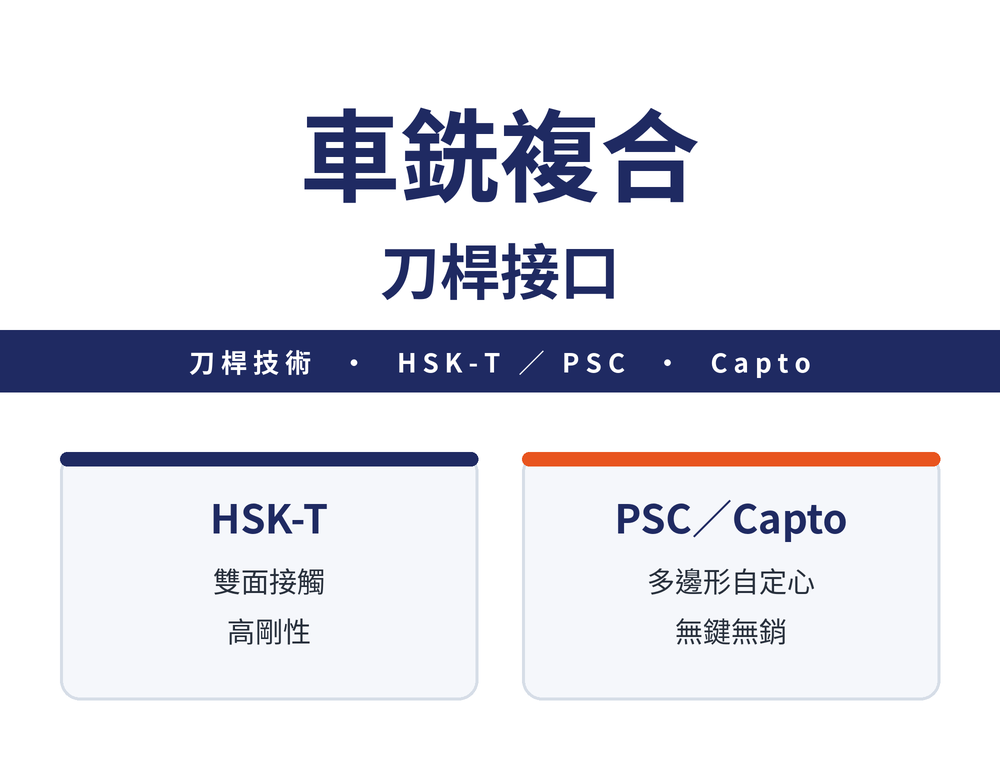
Mill-Turn Tool Holder Interfaces: HSK-T and PSC (Capto)

Coolant-Through Tool Holders: Where the Coolant Comes Out Depends on the Collet

Anti-Vibration Tool Holders: Chatter, Dynamic Vibration Absorbers & Setup
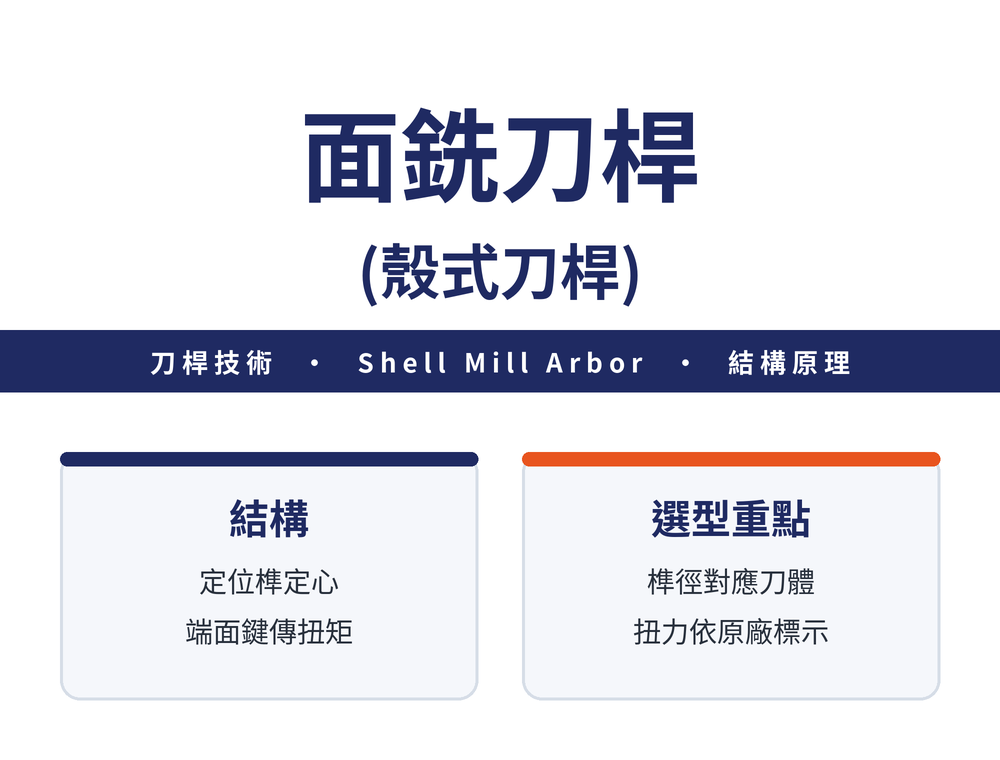
Face Mill Arbors (Shell Mill Holders): Structure and Selection

Quick-Change / Modular Tool Holder Systems: Principles, Trade-offs & Inventory Savings

Tool Holder Maintenance: Taper Cleaning, Rust Prevention & Checklist

Choosing a Tool Holder for Drilling: Shank, Runout and Coolant

Choosing a Tool Holder for Milling: From Cutter Type to Clamping

Tool Holder Clamping Methods: Collet / Hydraulic / Shrink / Side-Lock

Tool Holders for Reaming: Floating Is a Tapping Answer
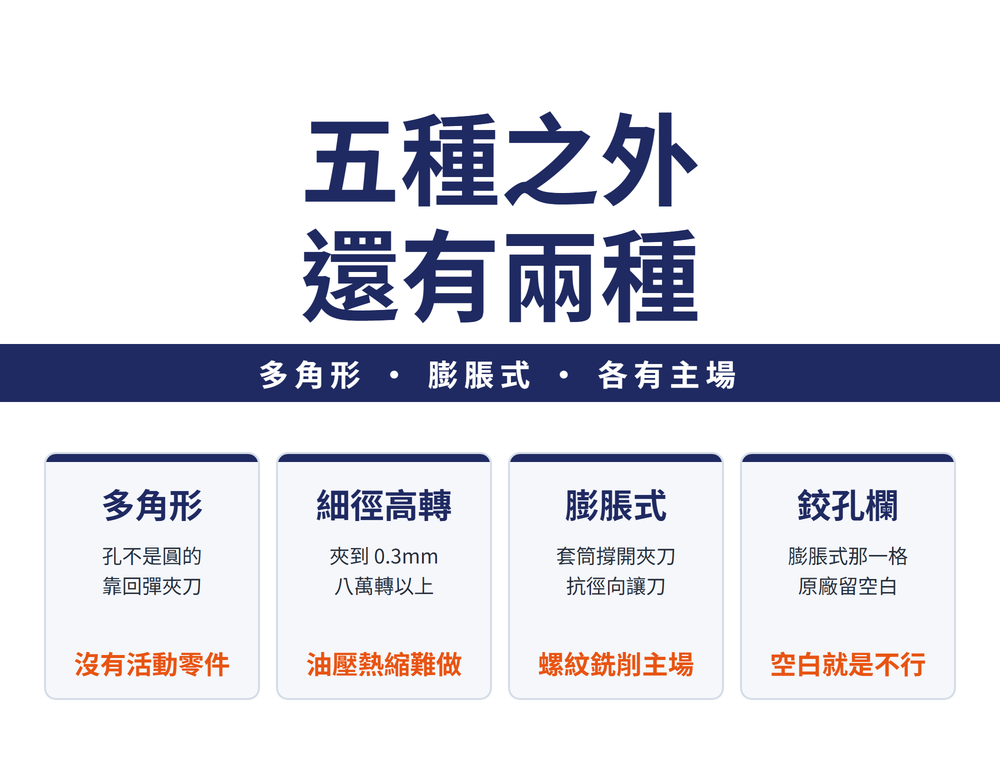
Polygon and Expansion Clamping: Two Options Beyond the Usual Five

Pull Studs: The Same Thread Does Not Mean Interchangeable

Dual Contact: Why the Flange Face Has a Gap Before Clamping
1